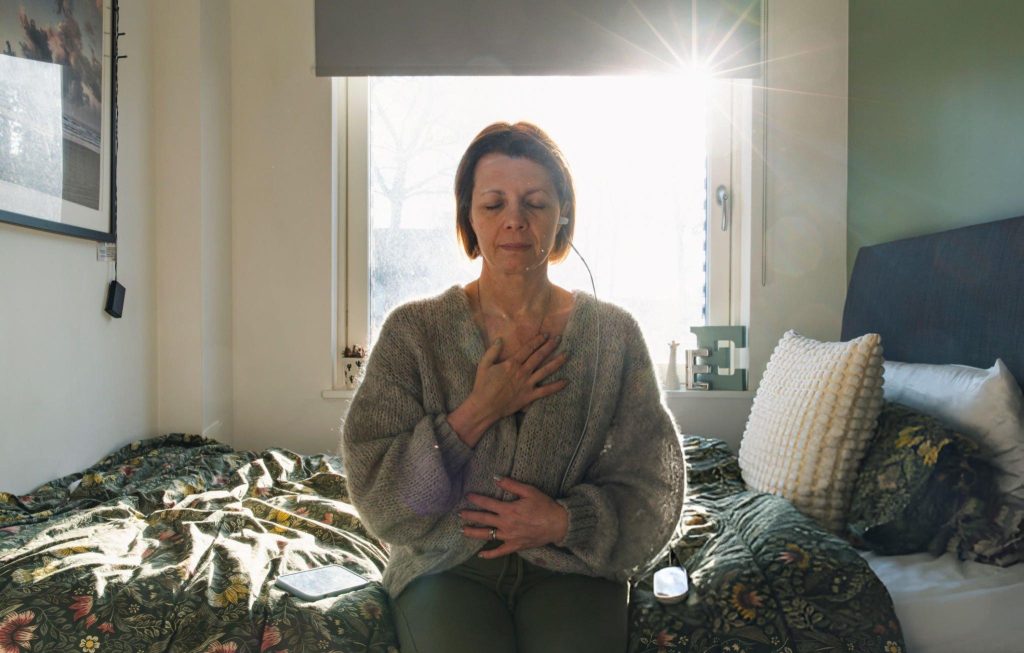
When someone begins a mental health treatment plan, structure can become a grounding force. A Partial Hospitalization Program, or PHP, often serves as a bridge between inpatient care and independent living. It is highly structured but doesn’t require overnight stays, which makes it helpful for those who need day-long support while still returning home in the evening. PHPs offer predictable routines, professional guidance, and a safe place to build healthier patterns.
During a PHP, each day is shaped with intention, from therapy sessions to social breaks to calming activities. The goal is to support healing through consistency and community. For people in Los Angeles, this kind of structure allows them to balance recovery with daily life. While every program varies slightly, most follow a flow that brings comfort, routine, and steady progress without being overwhelming.
Starting The Day With Structure
Mornings in a PHP usually begin with quiet consistency. Patients arrive at the same time each day, giving their bodies and minds a rhythm to follow. Most people check in with staff, settle in, and go through a brief orientation for the day. These first steps help create a sense of safety and predictability, especially when emotions feel scattered.
Personal care and breakfast are strong early anchors. Even simple routines like brushing hair or sitting with a calming tea help shape the tone for the day. Eating a light, healthy breakfast gives each person the energy they need for the therapy sessions ahead. No one is expected to rush. There is time to transition into the mindset needed for healing.
Therapy usually kicks off the formal part of the morning. Every facility might have a slightly different order, but typical morning sessions include:
– Individual therapy, where patients meet one-on-one with a licensed therapist to talk through specific goals, recent challenges, or emotional growth. These sessions are private and personal.
– Group sessions, where small groups meet to explore shared topics like anxiety triggers, managing mood symptoms, or improving self-awareness through guided conversations.
– Psychoeducation workshops, which introduce coping skills through topics such as emotional regulation or healthy communication.
The mornings are often structured to allow a gentle but focused start. Quiet activities paired with deeper discussions provide space for personal reflection and awareness before moving into more physically engaging parts of the afternoon. People in Los Angeles might spend the early day indoors in a calm room or outside in a shaded courtyard, depending on the space.
Activities That Support The Mind And Body
As the day moves toward midday, more interactive and creative activities begin. These aren’t just filler. They are part of how people process emotions and build resilience. Reliability and balance remain the focus. Therapeutic techniques are combined with activities that support expression, movement, and rest.
Some common midday activities include:
– Art therapy, where patients use painting, drawing, or crafts to express what they may not have words for yet.
– Mindfulness or meditation sessions, which might involve guided breathing, visualization exercises, or short walks in quiet outdoor spaces.
– Gentle physical activity, like yoga or stretching, depending on comfort level and ability.
These parts of the day are where expression meets movement. For many, it’s easier to open up emotionally when the body is relaxed. An example might be squeezing clay during sculpting as a way to let go of tension. There is no pressure to create something perfect. The act itself is what matters.
The Los Angeles setting often allows these sessions to take place in peaceful outdoor areas, especially in late August when the weather is dry and sunny but not overly hot. Shade-covered patios or small gardens give room to breathe, helping people feel more present and grounded. These moments are just as valuable as time spent in traditional talk therapy, especially for those who feel emotionally drained or overwhelmed.
Lunch Break and Social Interaction
After a morning focused on emotional reflection and active participation, the lunch break offers something equally important: connection and comfort. Mealtime in a Partial Hospitalization Program is not just about nutrition. It is also a chance to relax, recharge, and talk with others who are on similar paths.
Patients often share the midday meal together in an open and relaxed setting. These spaces are designed to feel comfortable, not clinical. Eating in a supportive environment can ease stress and help build trust. Conversations during lunch might be light or more personal, depending on how the group feels. There’s no pressure to talk, but no one has to eat alone either.
Peer interaction during meals helps create bonds. Many small friendships start over shared stories at the lunch table. That sense of connection can be one of the most meaningful parts of recovery. Social healing happens in the small moments. Eye contact, a laugh, or a kind word after a tough session can make a real difference.
Some PHPs also offer structured nutrition education. This might include easy tips for balanced eating or ideas on how certain foods can affect mood and energy. Staff may be available to support patients who are working through eating-related challenges as well.
Rebuilding Through Afternoon Therapy
Once lunch winds down, the day shifts into more focused therapeutic work. The afternoon often includes a mix of evidence-based therapy and wellness practices that support the whole body. This helps patients take what they learned earlier in the day and apply it to skill-building activities.
Here’s what typically takes place during the afternoon:
– Cognitive Behavioral Therapy (CBT), which focuses on recognizing and changing negative thinking patterns. Some sessions are one-on-one, while others are done in small groups.
– Life skills training, where patients learn how to manage stress, plan their day, keep routines, or work on communication.
– Holistic wellness sessions, such as guided yoga, creative journaling, sound healing, or gentle nature walks. These are more sensory or reflective tools that help round out the therapeutic experience.
This mix of approaches gives space for both mental and physical support. Afternoon sessions help people feel more connected with themselves and others. The skills people learn become tools they take with them when they leave each day. These hours offer practice in emotional resilience while reinforcing healthy habits that can ease the return to daily responsibilities outside the program.
Stepping into the Evening and Personal Reflection
The last part of the day is intentionally quieter. As the structured activities end, patients often take time to pause, reflect, and wind down. There is space carved out for gentle closure after a full emotional day.
Some common end-of-day routines include:
– Writing a few thoughts in a journal about what came up during the day.
– Practicing calming exercises like deep breathing or grounding.
– Sharing with others in a brief wrap-up group focused on reflection, not problem-solving.
This personal time works as a chance to let thoughts settle. It encourages the practice of emotional self-care and allows room for lessons to sink in. Instead of packing up and rushing out, the day closes with calm.
Patients are often encouraged to start forming evening habits they can bring into their home life. This might include setting aside electronics, enjoying a quiet moment with tea, or going for a short walk. When practiced regularly, small steps like these help carry the sense of structure and peace beyond the PHP setting.
Embracing a Supportive Routine
Daily life in a Partial Hospitalization Program shows how consistency and connection can support healing. From the first check-in of the morning to the calm reflection at the day’s end, each moment is planned with care. There’s room for conversation, creativity, rest, and growth.
For people in Los Angeles dealing with anxiety, depression, PTSD, or burnout, a well-paced routine like this can make recovery feel steadier. PHP offers time for healing without the stress of full hospitalization or the challenges of doing it all alone. It offers a rhythm that’s sustainable and realistic.
This kind of structured day, mixed with community support and wellness practices, helps many take real steps forward. What begins as part of mental health treatment can evolve into meaningful life habits. That’s the kind of change we strive to support every day at Serenity Zone.
If you’re looking for a structured path to recovery that fits into your daily life, explore how our mental health treatment center in Los Angeles can support your healing with professional care and compassionate guidance. Serenity Zone is here to walk with you every step of the way.
Figuring out when to get help for your mental health isn’t always easy. You might know you’re struggling, but it can be hard to decide what kind of care is right. Intensive Outpatient Programs, or IOPs, often fit well for people who need more than one therapy session a week but don’t need to stay overnight in a facility. They give you access to structured, professional care while still allowing you to manage your life at home, at work, or with family.
Los Angeles is a busy place, and that daily pressure can pile up, especially when you’re already dealing with stress, anxiety, or depression. If you’re wondering whether an IOP might be the right fit, there are some clear signs to look out for. Here’s what to pay attention to if you think therapy alone isn’t cutting it and you want to feel more supported.
You Feel Overwhelmed by Daily Tasks
When even the smallest things start to feel heavy, it’s not something to ignore. For many people, signs like skipping meals, staying in bed a little too long, or avoiding simple errands are early red flags. The more these everyday things pile up, the more stuck you can feel. It becomes a cycle—stress leads to avoidance, which leads to more stress.
If things like laundry, paying bills, picking up groceries, or replying to texts are causing real frustration or dread, that might be a sign you’re not just busy or worn out. You might be dealing with something deeper like anxiety, depression, or unresolved trauma. These conditions don’t always look dramatic from the outside, but they show up through daily struggles.
An IOP can help by giving your days more structure and providing a space where you can focus on what’s really going on. Consistent sessions let you work through emotions while staying connected to your daily life. One example might be someone who used to manage a full work and social schedule but now gets anxious just opening emails. Instead of ignoring it or brushing it off, an IOP helps break the problem down so you can rebuild one piece at a time.
When Weekly Therapy Isn’t Enough
Traditional therapy once a week works fine for many people. But if your mental health has been sliding and you still feel stuck, it might not be enough anymore. A weekly hour can feel too short to work through bigger emotions or patterns, especially when life feels chaotic between sessions.
Here are some signs that therapy isn’t giving you all the support you need:
1. You leave your session feeling more confused instead of better
2. It takes most of the session just to catch your therapist up
3. You struggle to follow advice or use tools between visits
4. Your emotions feel too overwhelming for a single weekly session
5. You’ve had a recent event or loss that’s increased your need for help
IOPs are designed for situations like this. They often include several group sessions, individual therapy, and skill-building tools across multiple days a week. That means more time to go deeper into what’s bothering you and space to practice new approaches with guidance. If your emotions keep spilling over between sessions or you’ve lost motivation, stepping up to an IOP can feel like the right level of care.
You’re Experiencing Frequent Anxiety or Panic Attacks
Ongoing anxiety can feel like you’re always waiting for something bad to happen. And when panic attacks are part of the mix, everyday tasks can start feeling like impossible mountains. Going to the grocery store, driving on the freeway, or even answering your phone might become a major source of dread. Your mind spins, your body stays tense—it’s exhausting.
If panic or anxiety attacks are happening more than once a week, it may be too much to handle alone. You might try to push through or hide it, but that doesn’t solve the real problem. What’s worse, it can leave you feeling increasingly isolated. If one therapy appointment a week isn’t cutting it, an IOP might be the better route. With more time and sessions, there’s room to unpack the causes, work through fears, and learn ways to regulate your system in a more consistent way.
The goal isn’t just to stop the panic. It’s about understanding the patterns and giving you tools that help when things escalate. Some people know what sets them off. Others are still learning. Either way, an IOP offers the space and time to sort it all out at a pace that doesn’t feel rushed. If anxiety is holding the reins more than you’d like, this kind of care could be a much-needed shift.
Difficulty Maintaining Relationships and Social Engagement
When your mental health takes a hit, relationships often become harder too. You might cancel plans, leave texts unread, or snap at loved ones even when you don’t mean to. Withdrawing feels like a safer bet than having to explain what you’re going through. But over time, that distance takes a toll on friendships, work relationships, and even family bonds.
Sometimes you don’t realize how pulled back you’ve become until reconnecting feels like too much effort. That kind of withdrawal usually calls for more than just once-a-week support. In an IOP setting, you’ll meet others going through similar things. That connection helps you feel less alone and gives you space to rebuild your people skills.
Group therapy often leads to shared stories that hit close to home. Listening to others can help you feel seen in ways you didn’t expect. Practicing honest, safe conversations builds social confidence in a low-pressure setting. If you find yourself pushing people away but still craving connection deep down, this kind of support makes it feel possible again. Learning to trust others and yourself can lead to meaningful changes—at work, with friends, or at home.
When Inpatient Care Feels Too Restrictive
Not everybody can check out of normal life to live at a treatment center. While inpatient care is helpful for serious or emergency situations, it doesn’t always work for folks who still need to hold a job, raise a family, or manage their home. Taking time for care shouldn’t mean giving up your daily life entirely.
Intensive outpatient programs offer a good middle ground. You still live at home and go to work or school part-time, but you also get strong support during the day. It’s a balance that gives you room to heal and reflect without feeling like you’ve lost total control of your routine.
Here’s what you can expect from an IOP:
1. Multiple therapy sessions available throughout the week
2. Continuity with work, school, or family
3. Access to different specialists and therapy styles
4. Less impact on your home, job, or caregiving duties
5. The right mix of structure and flexibility
In a city like Los Angeles, people often juggle more than one role at a time. IOPs help by easing the pressure without clearing your schedule entirely. You still get to return home each evening, reflect, and try again the next day with guidance and care in place.
Maybe It’s Time to Try Something Different
Getting help doesn’t always mean you’ve hit your lowest point. Sometimes it just means you’re tired of feeling stuck. Even if nothing feels dramatically wrong, it’s okay to want better. If daily life feels like a drag, if anxiety won’t ease up, or if weekly therapy feels like it’s falling short, it might be time to try something new.
Choosing an intensive outpatient program doesn’t make you weak. It means you’re paying attention. You’re facing what’s going on instead of avoiding it. If you’re in Los Angeles and want anxiety therapy that fits into the flow of your life, an IOP might be exactly what you need—structured support that helps you reset without stepping away from everything you care about.
If you’re looking for more support without putting life on pause, our anxiety therapy in Los Angeles could be the right next step. Serenity Zone is here to help you feel more grounded, more connected, and ready to move forward with a plan that works for you.
When you’re dealing with depression, having a strong treatment plan in place makes things a bit more manageable. But every plan doesn’t have to rely on therapy alone. Natural methods can offer extra support that works alongside professional care, helping people feel more stable and in control. These options don’t replace treatment but can be daily tools that support long-term improvement. They’re simple but worth sticking with.
For those looking for depression treatment in Los Angeles, adding a few healthy habits can really help. Whether it’s stepping outside under the sun or preparing meals that support brain health, the city has plenty to offer. Starting small is fine, and the goal isn’t perfection. It’s about building a routine that gives the mind and body the boost they need alongside more formal treatments.
Incorporating Exercise and Physical Activity
Exercise may not be the first thing that comes to mind when you’re feeling down, but moving your body even just a little can make a real difference. It helps manage stress, increases energy, and changes your mental focus. Physical activity may not instantly solve everything, but day by day, it can lighten the weight depression brings.
The good thing is, exercise doesn’t need to be intense or done in a gym. Here are a few types that can be easy to start and stick with:
– Walking: Whether it’s around your block, through a park, or along the beach, walking helps clear your head and loosen physical tension
– Yoga: It helps stretch the body and calm the mind. Beginners can start with simple poses at home or find local classes in Los Angeles
– Bike riding: This can be a relaxing way to get outside and explore different neighborhoods, especially with all the bike-friendly paths around the city
Los Angeles makes it easy to stay active year-round thanks to the steady weather and open green spaces. Many people take advantage of beaches, hiking trails, and community classes found throughout neighborhoods. Finding an activity that feels natural is key. The goal isn’t to become super fit it’s to create space where your mind and body feel a bit lighter.
The Role of a Balanced Diet
Food plays a part in how we feel day to day. When the body doesn’t have the nutrients it needs, it can affect energy, sleep, and mood. While food won’t treat depression on its own, eating better can support your emotional well-being and energy levels. Just like you’d fuel your car to keep it running, your body and brain rely on the fuel you give them.
Some foods that support mood and brain function include:
– Leafy greens like spinach and kale
– Fatty fish such as salmon or sardines
– Nuts, seeds, and avocados
– Eggs and lean meats
– Berries, apples, and bananas
The idea isn’t to follow a strict diet, but to mix in a few of these foods with what you’re already eating. Even small swaps like replacing chips with nuts or adding a green salad to dinner can help. Local spots in Los Angeles, such as farmers markets or health-food stores, offer plenty of fresh options to choose from. If cooking feels like too much, try prepping meals in batches or using meal kits that make it simpler. Building this habit slowly can support both your mood and your daily routine.
Mindfulness and Meditation Practices
Taking a few minutes each day to pause and check in with your thoughts can help ease the mental fog that sometimes comes with depression. Mindfulness is the practice of being present without judgment taking note of what you see, feel, and think without trying to fix it all at once. When used regularly, it can help lower stress, improve sleep, and shift your mindset. It’s not about shutting off your thoughts. It’s about making space to observe them calmly.
One way to ease into mindfulness is through guided meditation. This can be done with an app, a short video, or even a local class. You can start small just five minutes of breathing in a quiet space. Focus on your breath, the feel of your body on a chair or the floor, and notice any sounds around you without needing to react. If your mind wanders, that’s okay. Just bring it back to the breath.
For those looking to build this habit in Los Angeles, consider checking out local wellness studios offering beginner-level meditation classes. Neighborhood community centers or even quiet parks can also be great places to spend time in reflection. Outdoor meditation can feel especially grounding during late summer when the weather is dry and warm. Consistency is more helpful than perfection. Even simple breathing exercises twice a day can make a difference over time.
The Importance of Social Connections
Depression can make it feel like you’re on an island. It’s tempting to withdraw, even from the people closest to you. While alone time has its place, too much can deepen feelings of sadness. Social interaction, even in small doses, can help open up a path toward recovery. Talking with someone or sharing time around a shared activity reminds you you’re not isolated in what you’re going through.
You don’t need a huge social circle to feel connected. Here are a few ways to build and maintain healthy relationships:
– Reach out to a trusted friend and check in, even if it’s just a quick message or short call
– Join a class, group, or hobby you’re interested in art, dance, gardening, or cooking. It doesn’t need to be therapy-related
– Attend community events, such as local street fairs or workshops. These can provide a low-pressure space just to be around people
– Volunteer for a cause you care about. Helping others can create a sense of meaning while growing your social circle naturally
Within Los Angeles, many neighborhoods offer access to mental health-friendly spaces or co-working cafes where conversation and community tend to flourish. The goal isn’t to always be social. It’s about having options and gently encouraging yourself to take part in real-life moments with others where you feel seen.
Taking the First Step Toward Holistic Healing
Adding natural methods like exercise, mindful eating, meditation, and meaningful social time to your depression treatment plan doesn’t need to be all at once. These practices can grow slowly, shaped by your comfort level, lifestyle, and what feels effective. The key is to stay curious and open to trying simple changes that support your emotional well-being.
Los Angeles makes it easier to stick with these choices thanks to year-round outdoor access and community spaces offering a break from isolation. You don’t need to do it perfectly, just consistently. Give yourself room to grow and explore, especially when the difficult days hit.
When you’re ready to take that next step toward a more balanced path, combining professional guidance with small, natural actions can offer extra support. Everyone’s path looks different, and whatever works for you is what matters most. Keep moving at your pace. You’re not alone in trying to feel better. There is help, and there is hope.
To fully support your journey with depression treatment in Los Angeles, consider exploring the structured, evidence-based care options available at Serenity Zone. Whether you’re looking for a boost from natural habits or seeking comprehensive programs, you’ve got supportive resources to lean on. Learn how small changes can add up and help guide your path forward.
Winter blues can sneak up on anyone. Even as Los Angeles holds onto its long summers and milder winters, some people still feel a shift in mood as colder months approach. The sunlight decreases, days feel shorter, and energy can drop without much warning. For some, it’s nothing more than a slight slump. But for others, it turns into days of feeling disconnected, tired, unmotivated, or just not like themselves. And when that feeling hangs around, it can weigh heavy.
As we approach the end of August and head toward fall, it’s a good time to talk about what winter blues really are and why they shouldn’t go untreated. These feelings aren’t made up, and they’re not something someone can always shake off on their own. In cities like Los Angeles where bright skies are common, feeling mentally cloudy can seem confusing. That’s why understanding the signs and reasons behind this shift is the first step to feeling better and knowing when to seek help can change everything.
Understanding Winter Blues And Its Impact
Winter blues often get brushed off as just feeling tired or down, but there’s more to it than that. This term is most often used to describe a mild form of seasonal depression. It isn’t as intense as seasonal affective disorder, also called SAD, but that doesn’t make it any less real. While SAD can impact day-to-day life more severely, winter blues still bring changes that can make a person feel disconnected from their own joy.
Some common things people notice with winter blues include:
– Low energy or feeling like everything takes more effort
– A drop in interest in hobbies or activities that normally bring some excitement
– Sleep changes, like sleeping more but still feeling tired
– Craving heavier or high-carb foods more often than usual
– Difficulty focusing or finding energy to be social
Even in warmer areas like Los Angeles, these symptoms can crop up during the shift towards fall and winter. Some people might expect to feel fine because the weather’s not extreme, but mood isn’t only tied to cold temperatures. Shorter days and less sunlight can lead to changes in the brain’s regulation of sleep and mood. This can throw off someone’s usual balance without them even noticing at first.
Toward the end of summer, the lead-up to fall can feel draining for those who are sensitive to seasonal change. Routines get disrupted by back-to-school schedules, daylight hours begin to shrink, and the energy from summer slowly fades. People sometimes explain it like a fog rolling in—everything just feels a little heavier. Catching these early signs matters because the longer these low feelings last, the harder they can be to shake. Getting support early can help keep winter blues from settling in and turning into something more serious.
The Benefits Of Professional Psychiatric Care
When winter blues start affecting daily life, reaching out for professional psychiatric care can make a real difference. What sets this care apart is the structure. It’s not just showing up for an appointment and checking a box. The best support systems are built around a plan that’s made just for you, not a template or a one-size-fits-all fix. Having a treatment plan that focuses on your unique challenges and strengths makes healing feel more manageable.
There’s also value in having a team nearby with clinical experience. While talking to friends can help now and then, mental health providers are trained to notice patterns, manage symptoms, and suggest steps that actually work. It’s like having a game plan on days when your mind feels like it’s dragging through mud. That kind of backup builds confidence when things feel uncertain.
Two common treatment formats are often used in psychiatric care in Los Angeles:
– Intensive Outpatient Programs (IOP): Let you attend several therapy sessions a week while still living at home. These programs offer flexibility for people who want support without stepping away from work, school, or family responsibilities.
– Partial Hospitalization Programs (PHP): Provide a deeper level of care for those who need more time in treatment each day. These usually include individual therapy, group sessions, medication support, and other tools to help regain stability.
Choosing between IOP or PHP depends on how strongly the winter blues are impacting your life. Some people start in a more structured setting and then step down to something lighter over time. What matters most is getting started with a setup that feels doable and encourages growth day by day.
Holistic Mental Health Approaches That Make A Difference
Clinical treatments are a strong foundation, but healing goes beyond just talk therapy or medication. Holistic techniques add depth to care by tending to your mind and body together. When you’re worn out emotionally, your body often feels it, too. That’s where a more rounded approach can help lift some weight off your shoulders.
Some common holistic therapies used alongside psychiatric care include:
– Mindfulness practices to calm racing thoughts and improve focus
– Yoga and movement that reconnect your body to your breath, easing physical tension
– Art therapy as a creative outlet when words don’t feel enough
– Guided meditation or breathing sessions that help lower stress
– Nutritional support and physical wellness classes to improve overall mood
Even trying one of these practices a few times can shift some of your energy. A person in Los Angeles dealing with winter blues might discover that a mindful walk at a nearby park followed by a quiet 10-minute breathing session helps reset their attitude enough to take on the rest of the day. These gentle methods support what’s happening in therapy rooms by teaching your body how to stay steady through ups and downs.
Mixing holistic services with structured care gives your recovery more layers. When everything works together, things start to feel less heavy and more hopeful.
Nurturing Connection Through Community
While care starts with individual support, recovery often grows stronger through community. Humans aren’t meant to do life alone. Having peers who understand what you’re going through makes a big difference when winter blues hit. Even people who don’t talk much usually feel more at ease when someone nods and says, “Yeah, I get that.”
Group therapy is one way to build that bond. These sessions create a space where everyone has something in common, even if each person’s story is different. Sharing thoughts out loud, or just listening, helps you realize you’re not the only one feeling stuck or low during colder seasons.
Outside of formal therapy, just showing up somewhere regularly—whether it’s a group meeting or wellness class—can help build trust and consistency. Those little patterns become anchors during months that can feel unpredictable. And if you’re shy or unsure about connecting with others, that’s okay. Even small steps count.
To make support networks work better, here are a few tips:
– Choose a few weekly activities that let you engage gently with others, like a support group or wellness session
– Limit isolation by setting regular check-ins with a trusted friend or family member
– Keep social goals realistic. Start with showing up, even if speaking takes time
– Be kind to yourself if some days feel harder than others. Everyone builds connection at a different pace
It’s easy to think you have to handle everything alone, especially when days feel gray. But people need people. And finding folks to walk alongside you through the long evenings and slow mornings can make it all feel less overwhelming.
Finding Light In Los Angeles
Los Angeles is known for its sunshine, but that doesn’t mean everyone who lives there feels bright and energized year-round. Seasonal dips in mood can happen even under blue skies, and that’s okay. This city has a wide range of mental health resources, trained professionals, and welcoming places to seek support.
Whether you’re dealing with a new wave of winter blues or it’s something you’ve faced for years, looking into psychiatric care near you offers a real shot at change. There’s something powerful about being surrounded by a team that gets what you’re going through and works with you step-by-step.
Los Angeles also brings the advantage of variety. Cultural diversity, wellness opportunities, and community care options are baked into the area. That means you’re more likely to find what fits your personality and values. Sometimes, relief starts with finding professionals who understand local rhythms and everyday stress.
If you’re living in Los Angeles and winter tends to bring that clouded feeling with it, consider focusing your energy on recovery this year with guidance and support that treats your full picture, not just symptoms.
Embracing a Brighter Future
Change doesn’t have to be big to be meaningful. Sometimes, all it takes is one step, one honest conversation, one new session, one supportive voice. Managing winter blues might feel like a distant goal right now, but it’s more reachable than you think when you have others helping light the way.
Even in a city full of light like Los Angeles, your own world can feel dim sometimes. That doesn’t mean you’re broken. It just means you need help reconnecting to things that lift you. With the right tools, people, and care, brighter days can come back into view.
If you’ve been feeling the weight of winter blues pressing down, finding the right support can make a big difference. Discover how our compassionate team at Serenity Zone can guide you toward brighter days with personalized psychiatric care in Los Angeles. Reach out today to explore your options and take a step toward reclaiming your sense of joy and balance.
When you’re dealing with anxiety, depression, or another mental health problem, choosing how to get help can feel like one more heavy thing on your list. It’s not always easy to know what level of care makes sense, especially when you’re somewhere between needing full-time support and just seeing a therapist once a week. That’s where programs like Intensive Outpatient (IOP) and Partial Hospitalization (PHP) come into the picture.
Both options give people more structure and support than traditional therapy, but without the full commitment of staying overnight at a facility. These treatment levels offer different rhythms and intensities of care, designed to meet people where they are in their healing. Whether you’ve tried therapy before or are just beginning to look into treatment options, understanding the difference between IOP and PHP can help you make choices that fit better with your life and needs.
Serenity Zone offers both IOP and PHP programs at our mental health facility in Los Angeles. Our team helps individuals figure out what kind of care will be most helpful, depending on what they’re going through and what kind of support they’re looking for. The right fit could be what helps move someone forward during a tough time.
What Is Intensive Outpatient Program (IOP)?
An Intensive Outpatient Program, or IOP, is a type of mental health treatment that gives you more support than regular therapy but still lets you keep doing most of your day-to-day activities. It’s for people who could use more structure and help than a once-a-week counseling session but don’t need to be in a program full-time.
IOPs usually involve several hours of treatment spread out over a few days each week. You might go in the morning or the evening, depending on the program schedule. Most of the time, people attend IOPs about three to five days a week. This keeps things flexible while making sure you’re getting steady care. You’ll usually take part in a mix of group therapy, one-on-one counseling, and classes to help manage things like anxiety, stress, or triggering situations.
Here are some key parts included in most IOPs:
– Group therapy that helps you build community and communication skills
– Individual therapy that focuses on personal triggers and goals
– Workshops that teach coping strategies and emotional regulation
– Help with medication management, if that’s part of your treatment
– Progress check-ins with your care team
IOPs can be a good choice if daily life feels really hard, but you’re still able to care for yourself, keep up with work, or spend time with family. For example, someone dealing with a long stretch of depression may have started skipping regular therapy or losing interest in things they used to enjoy. IOP steps in as a space to get back on track without forcing them to leave their life behind. Attending sessions more often helps build consistency, understand challenges, and work on mental health habits throughout the week.
What Is Partial Hospitalization Program (PHP)?
A Partial Hospitalization Program, or PHP, is a more intensive treatment option than IOP. It’s meant for people who are having a harder time functioning in daily life but don’t require 24-hour care. The goal is to help ease symptoms so a person can gradually move into less intensive care like IOP or weekly therapy.
PHPs are structured like a full workday. You typically attend treatment for about five to six hours, up to five or six days a week. After each day, you return home to sleep. It keeps you connected to your daily routine, but with extra structure to bring more stability. That kind of routine can help when everything else feels overwhelming.
Here’s what a typical PHP might offer:
– Comprehensive assessments by mental health professionals
– Full-day schedules that mix group therapy, skills training, and individual counseling
– Medication management and psychiatric support
– Holistic activities, like mindfulness, light movement, or creative practices
– Safety planning and progress check-ins
People who attend PHPs are often in a place where symptoms are affecting their sleep, focus, or ability to get through the day. Maybe someone just left the hospital and needs a next step with strong support. Or maybe someone has been dealing with panic attacks or depressive thoughts and therapy sessions alone aren’t cutting it. PHP becomes that extra layer of help. It gives real support during a tough time, while still allowing you to go home each night and stay connected to your life outside of treatment.
Comparing IOP and PHP
Both IOP and PHP support people through hard emotional seasons, but they show up in different ways. While both include therapy, group sessions, and sometimes medication help, the biggest difference is in the structure and how intense the care is.
An IOP is usually more flexible. It’s great for people who can manage parts of their day but need routine support each week. Schedules are often part-time, which allows for jobs, errands, or taking care of family.
PHP is more time-focused and structured. Sessions are longer and more frequent, often five days a week for several hours a day. That focus is helpful when dealing with unstable moods, panic, or thoughts that affect how you live. The routine allows for longer sessions with more hands-on care.
Here’s a breakdown:
– Time commitment
– IOP: Around 3 hours per day, 3 to 5 days weekly
– PHP: Around 5 to 6 hours per day, 5 to 6 days weekly
– Level of need
– IOP: Moderate symptoms, still able to function day to day
– PHP: More intense symptoms, major challenges with basic routines
– Place in recovery
– IOP: Often follows PHP or weekly therapy when more support is needed
– PHP: Great for step-down from inpatient or when therapy alone isn’t enough
It’s not always clear right away which path to take. Someone feeling stuck in deep depression or struggling to sleep, eat, or interact may find relief in the depth of PHP care. For others who are holding things together but feel like they’re on edge, IOP may be the better step to help rebuild stability.
Choosing Between IOP and PHP at Serenity Zone
Figuring out whether IOP or PHP makes more sense usually depends on how stable or safe things feel at home and how strong the symptoms are. At Serenity Zone, we help people make these choices so they get support that meets them where they are—not too much, not too little.
Our team takes the time to learn about each person. We ask questions about sleep, mood, habits, daily living, support systems, and what has or hasn’t helped in the past. Based on this, we recommend a level of care with your comfort and needs in mind. Our goal is to give you the kind of help that feels useful and steady without making life feel even heavier.
Los Angeles can be a fast-paced and stressful place to live. The pressure to work, keep up with relationships, and stay ahead can wear people down. We offer structured programs that center your well-being during moments when everything feels out of sync. Whether it’s a few days in therapy with room to work, or a full weekday schedule with clinical and holistic care, the options are here.
Caring for your mental health isn’t about jumping into the most intensive thing possible. It’s about finding the space that lets you breathe and build your energy back up, with real support and no guilt.
How to Take That First Step Toward Support
Mental health looks different for everyone. One person might need long talks and time to rest, another might want simple tools to stay grounded while life keeps moving. That’s why flexibility in care matters. Programs like IOP and PHP exist to offer options between coming in once a week and needing full-time help.
IOP gives you space to stay active in life while building your strength. PHP offers more time to heal if you’re feeling so overwhelmed that even small tasks seem impossible. Neither program labels you or presses pause on who you are. They’re just tools to help you figure things out, without having to do it all alone.
If life in Los Angeles feels like too much right now and you’re unsure of what support would even look like, you’re not alone. Our job at Serenity Zone is to walk you through what’s available and help you start feeling better without rushing the process. Starting with the right level of care makes everything that follows a little easier to handle. You deserve that kind of care.
If you’re feeling overwhelmed and want a path toward recovery that fits your lifestyle, learn how a structured program at a mental health facility in Los Angeles could support your next step. At Serenity Zone, we create personalized care plans that blend therapy, wellness, and real-life routines to help you feel more like yourself again.
Sometimes, when mental health challenges become harder to manage, regular talk therapy once a week just isn’t enough. Other times, a hospital stay might feel too extreme or take you too far out of your daily routine. That’s where partial hospitalization steps in. It gives space for deeper care while still letting you return home at night. People in Los Angeles seeking support with anxiety, depression, PTSD, or similar struggles may find this option helpful when they’re in a middle place—not doing well enough for simple outpatient sessions but not needing 24/7 hospital care either.
Partial hospitalization programs, often referred to as PHPs, sit right in that middle ground. They give you more support than weekly therapy does, while still offering the ability to keep some parts of your usual life in motion. You don’t stay overnight, but you do get access to a structured schedule filled with therapeutic tools and group interaction. For many adults in the Los Angeles area, PHPs offer a helpful reset without the disconnection that often comes with full inpatient stays.
Understanding Partial Hospitalization
A partial hospitalization program is a type of mental health care that helps people who need more than just the occasional therapy session. At the same time, it avoids the full-time commitment of staying in a hospital. It’s a structured program where you attend treatment during the day, often for several hours, then go home in the evening to sleep in your own bed.
PHPs are designed to support people during a tough period. You get a schedule packed with different treatments that might include group therapy, individual sessions, medication management, and activities that support emotional well-being. All of this happens five to six days a week in most programs. It’s a bit like a school day for your mental health, and the routine helps bring life back into better balance.
Here’s how a PHP stands next to other kinds of mental health treatment:
1. Outpatient therapy means seeing a therapist once a week or every other week for an hour or so. PHP involves a lot more time and support.
2. Inpatient care means staying in a hospital while getting around-the-clock observation. PHP doesn’t require overnight stays, so you can still stay at home, which many people find comforting.
3. Intensive outpatient programs (IOPs) are similar to PHPs but usually have fewer hours per week. PHP is often the next step up when IOP isn’t quite enough to manage what’s going on.
This level of care can feel more in tune with someone who’s trying to stabilize or get out of a crisis without fully stepping away from daily life. For example, someone who’s recently gone through a traumatic event might find themselves dealing with panic attacks, sleep issues, and trouble focusing at work. They may not need hospitalization but clearly need more help than one-hour therapy appointments. A PHP can become that steady bridge during recovery.
Signs That Partial Hospitalization May Be Needed
So how do you know if partial hospitalization might be the right choice? It often starts with a feeling that regular therapy isn’t enough. That can look different from person to person, but here are common signs that it may be time to look into something more intensive:
1. Daily life becomes more difficult to manage. Maybe getting out of bed feels like a fight, or you’re constantly overwhelmed at work or with family responsibilities. Even simple tasks start to feel too hard.
2. Your mental health symptoms are growing stronger. You could be experiencing deeper depression, more frequent anxiety attacks, or struggling with mood swings that aren’t getting better with your current treatment.
3. Thoughts of self-harm or suicidal thinking are happening more often. Even if there’s no immediate danger, these thoughts are not something to manage alone.
4. You’ve recently been discharged from a hospital and still need strong support. PHP is often a good step-down option to make sure that progress doesn’t stall or slip.
5. Medication adjustments aren’t working smoothly. If changes in your prescriptions lead to increased confusion or unpleasant side effects, more structured monitoring can help.
If any of these sound familiar, the next smart move is a professional assessment. That doesn’t mean you’re committing to anything. It’s just a way to figure out what level of help fits best. A trained provider will ask questions, look at what’s been working and what hasn’t, and suggest a care plan that makes sense for where you are right now.
Benefits Of Partial Hospitalization Programs
Partial hospitalization programs offer a level of support that sits comfortably between full-time inpatient treatment and the more common outpatient model. One of the biggest benefits is the structure they provide. Many people find that having a schedule helps reduce emotional chaos and keeps the day moving forward. This daily rhythm can make it easier to stay focused on healing, even when things feel unstable internally.
Another benefit is flexibility. PHPs let you receive treatment during the day while giving you the comfort of sleeping at home and keeping some of your usual routines. If you’re working part-time, caring for family, or slowly returning to daily responsibilities, this type of setup can give you space to heal without stepping away from the rest of your life completely.
PHPs also offer a mix of therapeutic tools, giving you different ways to work through what you’re going through. Some of the approaches you might find in a PHP include:
– Group therapy for shared experiences and connection
– One-on-one counseling to dig deeper into personal concerns
– Medication management for stability and clarity
– Skills-based classes that teach coping strategies
– Wellness practices like art, meditation, or movement sessions
It’s a thoughtful mix that targets both immediate symptoms and longer-term growth. Instead of feeling like you’re just reacting to stress or overwhelming emotions, you start practicing ways to manage them. With guidance from professionals who understand this middle ground, PHPs serve as both a cushion and a launch pad, a space where you can rest while taking careful steps toward healing.
Partial Hospitalization at Serenity Zone
At Serenity Zone in Los Angeles, our partial hospitalization programs are designed to support adults through difficult transitions or periods of heightened emotional distress. We offer a structured schedule that blends clinical therapy with wellness-focused services, so each client receives targeted care with room for additional healing methods.
Our clinicians use evidence-based practices, including cognitive behavioral therapy, dialectical behavior therapy, and medication management, all paired with holistic therapies like mindfulness and expressive art. This blend supports recovery on multiple levels. Clients participate in day sessions with our professional team and go home feeling more centered, not disconnected.
Whether someone is stepping down from inpatient care or stepping up from outpatient therapy, our PHPs help offer stability without full separation from everyday life. By keeping treatment intensive during the day and allowing time at home each evening, people gain balance and the ability to practice their new coping tools right away in real-life settings.
Finding the Right Fit for Your Needs
There’s no one-size-fits-all approach to getting support for your mental health. When daily life starts to feel unmanageable but you’re still looking to stay connected to your routine, partial hospitalization might offer the right level of balance. It’s structured but not isolating, supportive without feeling overly medical. That in-between space allows for real progress while keeping you grounded.
Finding the right care takes some reflection. It helps to slow down and honestly ask yourself: Am I coping well right now, or just getting by? If the stress feels too loud, the moods are swinging too hard, or the darkness won’t lift, reaching out for guidance might be the best next move. You don’t have to figure this out all on your own, and options like PHPs are built to support you exactly where you’re at.
Los Angeles has many choices when it comes to mental health programs. What’s important is finding something that meets your needs, fits your lifestyle, and gives you space to grow at your own pace. Whether you’ve been in therapy for years or just started considering it, taking the next step can create a big shift in how you move through the tough moments. Healing doesn’t always look linear, but support like this can help things start moving in the right direction again.
If you’re ready for a more supportive and balanced approach to treatment, take a closer look at the mental health programs in Los Angeles available through Serenity Zone. Our team is here to help you find the structure, care, and guidance that align with where you are in your recovery journey.
Recovering from PTSD can feel like climbing uphill without knowing where the top is. Some days bring emotional weight, intrusive thoughts, or the sudden return of a distressing memory. It’s not just about what happened in the past — it’s also about dealing with what your mind and body go through in the present. Traditional therapy helps, but it may not reach every part of the healing process for everyone.
That’s where holistic wellness activities come in. These approaches aim to support both the mind and body, helping people feel more connected and in control. They’re not a replacement for therapy, but when used along with it, they can make recovery more manageable. In Los Angeles, where there’s easy access to natural spaces and a wide variety of wellness practices, holistic options have become a regular part of PTSD treatment plans.
Understanding Holistic Wellness Activities
Holistic wellness is about finding balance. Instead of only focusing on managing symptoms, it looks at the whole person — body, mind, and spirit. For people recovering from PTSD, that means doing more than just talking about trauma. It can involve moving the body, calming the nervous system, and expressing emotions in fresh ways.
Traditional therapy usually focuses on talk sessions, sometimes with medication. Holistic wellness activities add another layer by using practices outside the usual medical path. These can include:
– Yoga or tai chi for physical grounding
– Meditation and deep breathing for calming the nervous system
– Expressive arts like drawing, painting, or music
– Journaling for emotional release
– Spending time outdoors or in nature
What makes these activities different is that they may not directly address trauma through discussion. But they still help people learn how to stay present, reduce inner tension, and slowly rebuild trust in their body and mind.
It’s not about whether traditional therapy is better. It’s about how these two forms of care can work together to give people more tools. Especially in a place like Los Angeles, where communities are more open to wellness options and access is easier, holistic support is often right alongside more clinical work.
Mind-Body Connection in PTSD Recovery
When trauma shows up, it doesn’t just stay in the mind. It can live in the body too — in tense shoulders, shallow breathing, or nervous energy that doesn’t go away. That’s why activities like yoga and meditation can make a big difference during PTSD recovery. These practices help the body release some of what it’s holding, while also keeping the mind from spinning out of control.
Yoga, for example, combines movement and stretching with breathwork. It gives people a chance to build a relationship with their body again. During PTSD recovery, many people feel like their body betrayed them or no longer feels like a safe place. Learning to move gently and breathe deeply in yoga can help rebuild that trust.
Meditation supports the same goal from a more still place. Focusing on a breath, a word, or simply sitting quietly can help calm the mind. It creates space between negative thoughts and emotional responses, which can help people stop reacting out of habit and begin responding with intention.
One person recovering from PTSD once shared how practicing slow breathing during a stressful moment helped them avoid a panic attack. They didn’t stop the panic from trying to show up, but they interrupted the cycle before it took over. That’s the kind of progress you might not notice right away, but over time, these tiny shifts can mean everything.
These practices are not quick fixes. They take time and patience, but they give PTSD survivors real tools they can use when they’re overwhelmed. In a busy environment like Los Angeles, being able to pause and ground the body can be part of what keeps recovery moving forward.
Benefits of Nature and Outdoor Activities
Being outdoors can offer more than fresh air, especially for someone healing from trauma. Nature has a way of anchoring people in the present moment. Whether it’s hearing birds, feeling the warm sun, or watching tree branches sway in the wind, these simple observations help bring people out of their heads and into their surroundings.
In Los Angeles, where the weather in August is warm and inviting, spending time outside is a regular option. Activities like walking through Griffith Park, gardening in a community plot, or just sitting with your feet in the grass all help reconnect the body with the moment. These types of grounding activities remind people their body is safe and supported right now, even if the mind feels otherwise.
Gardening is a hands-on example that supports calm and routine. The feel of soil, keeping track of a watering schedule, or watching a seed grow into something green gives many people recovering from PTSD a quiet sense of purpose. It’s not about performance. It’s about connection. Projects like these often lead to small wins that feel really meaningful when life has been stuck in survival mode.
Nature walks also allow space to breathe, move at your own pace, and gently explore your thoughts without pressure. When someone walks with their full attention, taking in the colors of plants, the smells in the air, and the textures underfoot, they activate their senses. These little sensory check-ins are simple but powerful ways to stay present and lower emotional overwhelm.
Creative Expression as a Healing Tool
When feelings run deep, words aren’t always enough. That’s why creative expression can be so helpful. Activities like painting, playing an instrument, or writing in a journal give those emotions somewhere else to go.
PTSD can leave people with tangled thoughts and feelings they can’t always explain. Art or music doesn’t require full explanations. It allows whatever’s inside to flow out in a form that feels safer or more accessible. For some, it’s picking up colored pencils to sketch how they feel. For others, it’s writing lyrics or telling their story through poetry.
Here are a few creative outlets that many people find helpful during PTSD treatment:
– Art therapy, where paint, clay, or drawing are used in guided sessions
– Music therapy, which can involve playing instruments or listening exercises
– Journaling, especially when emotions feel too big or confusing to sort verbally
– Photography, as it encourages focus on the present moment
– Collage-making, using mixed media to represent different emotional layers
Even if someone hasn’t considered themselves an artist, these activities aren’t about talent. They’re about release. Expressing something with your hands and giving your feelings form, even privately, can help you recognize patterns and triggers while learning new ways to cope.
One woman shared how journaling each day gave her a safe spot to unload without fear of judgment. She didn’t write essays, just quick, uncensored thoughts. Looking back through that journal helped her connect changes in her mood to certain events or memories, which later became part of her therapy process.
Incorporating Physical Fitness into Recovery
Exercise may not sound like a healing practice at first, but it plays a big role in PTSD recovery. Regular movement doesn’t just make your body stronger, it clears mental tension and supports emotional balance.
Activities like running, swimming, walking, or tai chi can help with sleep, improve focus, and give people a healthy way to release pent-up stress. For PTSD, where stress often settles deep into the body, movement helps shift that energy outward.
Even short daily movement builds structure into the day. That structure can feel reassuring when things feel out of control. As an added benefit, activities like tai chi and swimming require you to pay attention to your breath and your posture. That focus encourages mindfulness while your body is moving, something that builds the mind-body connection over time.
Running, for example, may give some people a sense of control and rhythm. Others may prefer swimming, where repetitive strokes and the water’s pressure act like a physical form of calm. And tai chi’s slow-motion movements blend focus, discipline, and breath, which can make participants feel centered.
Starting small is totally fine. A short walk or brief body stretches can be a great place to begin. The point isn’t to set records. It’s to move with purpose and give your body a role in your recovery.
Reclaiming Strength One Step at a Time
PTSD recovery isn’t quick, and it doesn’t look the same for everyone. Talk therapy is important, but finding peace often means reaching into more than one area of life. Holistic wellness activities strengthen that effort by weaving in movement, self-expression, and the power of nature into the process.
Whether it’s stepping onto a yoga mat, journaling emotions without a filter, or spending time under the trees, these choices help rebuild what PTSD may have taken: a sense of balance, safety, and connection. What matters most is finding what makes you feel supported and making space for that in your healing path.
If you’re in Los Angeles and looking for PTSD treatment that considers your whole self, take a look at programs that blend clinical therapy with real-world wellness practices. You deserve a plan that speaks to every part of who you are, mind, body, and heart.
Discover the support you deserve with Serenity Zone’s programs, seamlessly combining therapy with holistic wellness. If you’re exploring options for PTSD treatment in Los Angeles, learn how our approach can help you regain balance and move forward with confidence.
Anxiety doesn’t always show up the same way for everyone. For some, it can sneak in quietly through sleepless nights or constant worrying. For others, it comes with racing thoughts or even physical symptoms like a fast heartbeat or stomach problems. If you’re dealing with anxiety and feel like regular therapy hasn’t been enough, you might be wondering what other treatment options are out there.
That’s where intensive outpatient programs (IOPs) come in. These programs offer more support than weekly therapy sessions without the need for full-time residential treatment. They’re especially helpful for anyone who’s trying to manage anxiety while still balancing work, school, or home life. If you’re looking for anxiety counseling in Los Angeles, here are some things to know to make sure you’re choosing the right program for what you need.
At Serenity Zone, we offer structured, compassionate care for adults dealing with anxiety and related conditions. We’ve helped many individuals in Los Angeles find support through our IOP and PHP services — and we want to help you understand how to find the right program that fits your needs.
Understanding Intensive Outpatient Programs
An IOP is a structured form of care that offers frequent therapy sessions without requiring an overnight stay. It gives people the help they need while they continue living at home. Think of it as a middle ground between inpatient care and traditional outpatient therapy.
Most IOPs include a mix of individual therapy, group sessions, and sometimes family involvement. The schedule is more intense than a typical once-a-week session but still allows enough flexibility for daily responsibilities. For anxiety treatment, this kind of structured schedule can make a big difference. It offers regular touchpoints with a therapist while also building coping strategies through extended support.
Here’s what you can usually expect in an IOP:
– Several hours of therapy a few days per week
– A combination of one-on-one and group therapy
– Skill-building sessions focused on stress, emotions, or communication
– Check-ins with licensed professionals
– Optional wellness activities like breathing or relaxation exercises
The goal isn’t just to help manage symptoms but to teach lasting skills that reduce anxiety long-term. Whether someone is trying to get back to a stable routine or looking for added support after time in a hospital program, IOPs give space to heal while still keeping a foot in everyday life. They offer structure without requiring full-time separation from family, school, or work.
Key Features To Look For In An IOP For Anxiety
If you’re researching programs for anxiety counseling in Los Angeles, knowing what features to look for can save time and stress. It’s not just about picking the closest option. It’s about making sure the treatment actually works for you.
Here are four important things to watch for:
1. Licensed and Experienced Staff
You’ll want to make sure the people leading your sessions are trained in anxiety disorders. That includes therapists, counselors, and group leaders who understand how anxiety shows up and how to treat it. Look for a program that clearly lists credentials and makes you feel heard and safe.
2. Personalized Treatment Plans
Anxiety doesn’t feel the same for everyone, and it shouldn’t be treated that way. Avoid programs that offer a one-size-fits-all approach. Instead, choose one that offers intake assessments and custom treatment plans based on your background, symptoms, and lifestyle.
3. A Mix of Therapy Types
A solid IOP will combine traditional and evidence-based therapies that have been shown to help with anxiety. CBT (Cognitive Behavioral Therapy) is commonly used to identify and shift unhelpful thinking patterns. DBT (Dialectical Behavior Therapy) can focus more on emotional regulation and mindfulness. Programs may also add techniques like breathing exercises, creative expression, or movement therapy for a more balanced treatment experience.
4. Supportive Environment
Where therapy happens matters. A space that feels calm, respectful, and private can help people feel more open and secure. That can be just as important as the techniques used. You’ll want a setting that feels safe to share personal experiences and has staff who treat every individual with respect.
Making sure these elements are in place gives you a solid foundation to build on. It can mean the difference between a short-term program that feels like a chore and one that actually helps reduce anxiety and build new habits.
Benefits of Choosing an IOP in Los Angeles
The location where you receive treatment can have a real impact on how it feels and how well it works. Los Angeles has some built-in advantages when it comes to managing anxiety, and an IOP in this area can offer more than just professional care.
Living in Los Angeles means having access to a wide range of support networks and mental health professionals. That variety can help make sure your treatment isn’t limited to one approach or perspective. Also, many local IOPs work alongside other community resources, creating more continuity in your care. Whether it’s easier access to therapy follow-ups, psychiatric care, or wellness groups, the connections available in Los Angeles are all nearby.
The natural environment in the city can also play a part in how well a program works. Something as simple as access to outdoor spaces for walking or fresh air can support relaxation and help break up the intensity of therapy sessions. Being in a place that offers a change of scenery without traveling far helps some feel refreshed, especially when working on heavy emotional topics.
Transportation in Los Angeles isn’t always easy, but many IOPs build flexible schedules that let you mix treatment with your home life. This makes it easier to keep a routine without putting your world on pause. A morning session might leave the afternoon open for work or personal needs, which helps create balance during recovery.
How To Get Started With An IOP
Starting treatment can feel like a big first step, especially if anxiety has been holding you back. But when you break it down, the process of joining an IOP is pretty manageable.
Here are the usual steps:
1. Reach out for a consultation – This first call or meeting helps both sides understand if the program is a good fit. You’ll usually talk about what’s been going on and what you’re hoping to get out of it.
2. Go through an initial evaluation – This may happen through a licensed clinician who will ask about symptoms, history, and what support you’ve already tried. It’s about building a clear picture.
3. Review and agree on your treatment plan – Once the program understands your needs, they’ll explain how the IOP works and what your schedule could look like. This is your chance to ask questions and make sure it fits with your life.
4. Start attending sessions – Most IOPs begin gradually, allowing time to adjust. It might feel intense the first week, but the structure usually helps anxiety feel more manageable.
When someone feels anxious about the process of starting therapy, it’s easy to freeze up. One client once shared how they delayed reaching out for over a year, just cycling through their own internal stress. Once they started, they said the hardest part wasn’t therapy itself — it was just picking up the phone to start the conversation.
Programs like this are meant to guide, not overwhelm. The focus is always on taking one step at a time with help along the way.
Achieving Success In Your IOP Journey
Success in an IOP doesn’t happen overnight, and that’s okay. What matters most is showing up and being open to growth. Consistency and patience carry a lot of weight when it comes to lowering anxiety and building new habits.
You don’t have to be perfect on this journey. Progress may come in small ways — better sleep, fewer flare-ups, or speaking up in group sessions. These are all signs that things are moving forward, even when it feels slow.
Here are a few tips to stay on track:
– Stick to your schedule. Skipping sessions can break momentum.
– Use the skills you learn. Try using coping tools in everyday situations.
– Talk with others in the program. Peer support can be motivating and reassuring.
– Be open to trying new techniques. Your team might suggest things you’ve never considered.
– Keep track of how you’re feeling. A journal or simple check-in helps track your progress.
Support from friends and family counts too. Whether it’s a ride to your session or someone checking in after a hard day, those small things can help lighten the load.
If something isn’t working the way you hoped, don’t give up. Adjusting your treatment plan is part of the process. It’s all about figuring out what makes you feel better and making those tools stick in the long run.
Choosing Confidence in Your Next Steps
Choosing an IOP is a deeply personal decision. You want to feel like the program understands what you’re going through and offers more than advice — real support that fits your life.
An IOP should feel like a partner in your healing. It shouldn’t add stress or feel like another hurdle. Whether it’s trained staff who really listen, a quiet space that feels safe, or the convenience of a local Los Angeles option, each part of your experience matters.
Anxiety takes different forms for different people, but support doesn’t have to be far off. With the right plan, the right people, and the right environment, you can make meaningful strides. Healing doesn’t happen all at once. But with steady steps and a program that meets you where you are, change is possible.
Ready to explore a path that could help manage your anxiety effectively? Discover how anxiety counseling in Los Angeles can support your healing through Serenity Zone’s range of programs. Let us guide you toward a supportive and structured solution to ease the burden of anxiety and build lasting skills.
Support is one of the quiet forces behind mental health recovery. While treatment plans and therapy sessions are important, the people around someone—family, friends, peers, and professionals—often shape long-term healing more than anything else. Having a group to lean on can make setbacks feel less heavy and progress feel more real.
A partial hospitalization program is a structured way to receive care during the day while returning home in the evenings. This setup allows people to stay connected to their usual routines while still getting a high level of clinical support. But whether someone is in a program for mood disorders, trauma recovery, or severe anxiety, their progress can be helped or slowed by the relationships they return to after each session. That’s where strong support networks come in.
The Role of Family and Friends in Support Networks
Family and close friends are often the first line of support during recovery. When they’re involved in a healthy way, they make it easier for someone to stay motivated, self-aware, and committed to making changes. Emotional support doesn’t always have to come in big gestures. Sometimes, it looks like listening without rushing to fix things or checking in without pressure.
Here are a few ways family and friends can create a stronger foundation for recovery:
– Practice patience when setbacks happen and celebrate the small wins, even if they seem minor
– Talk openly, avoiding judgment or constant advice-giving
– Keep daily routines consistent and calm when possible to maintain a sense of stability
– Ask how they can help rather than assuming what’s needed
– Get involved in therapy homework when invited, like joining in on relaxation or grounding exercises
It’s also helpful when loved ones learn a bit about the condition someone is facing. They don’t need to become experts, but understanding common symptoms or triggers can improve communication. For instance, if someone becomes withdrawn due to depressive thoughts, family members who recognize that pattern can respond with compassion instead of frustration.
Recovery doesn’t have to take over the lives of those offering help. Just being steady and present means a lot. Whether it’s watching a favorite show at night, sending a kind message, or simply sharing quiet space, these small moments bring comfort. From that comfort, healing has room to grow.
Peer Support Groups: Sharing Experiences and Encouragement
Talking with people who’ve faced similar challenges can be incredibly grounding. Peer support groups provide that space. These aren’t therapy sessions, but rather guided conversations where people share openly in a respectful and safe setting.
Benefits of joining peer support groups include:
– Feeling less isolated by connecting with people who relate
– Learning ways to cope and handle emotions through shared advice
– Getting encouragement from those a little further along in recovery
– Gaining new confidence by listening and offering support to others
– Building a routine that fosters connection and accountability
These groups vary in structure depending on their focus. Some might introduce tools, printouts, or self-care tips while others emphasize emotional expression. Discussions might cover topics like grief, fear, or motivation. The groups thrive on mutual respect. People take turns listening and sharing without pressure.
Someone who joins but doesn’t talk much at first might grow over time to speak more as comfort builds. Moments of shared understanding can gently encourage someone to open up. And when someone nods or responds gently to a new voice, it can help break through years of silence or hesitation.
Peer support feels different than talking with friends who might not fully understand. That shared experience makes the support feel solid and real. For many, it’s a safe step toward trusting again. These group bonds form the start of a larger safety net, where people show up for one another weekly, offering steady encouragement that often lasts beyond the program.
Professional Guidance in Building Support Networks
Support from friends and peers is powerful. Still, therapists and counselors have a unique role in reinforcing the structure someone needs to stay grounded. Within a partial hospitalization program, mental health professionals help individuals form and strengthen support systems in real life. They guide each person in figuring out who should be part of that network, what a healthy connection looks like, and how to keep communication clear.
One of the first things a therapist may ask is, “What kind of support do you need right now?” It’s a simple question with a complex answer for someone who’s learned to hide their feelings. Professionals help people unpack that answer piece by piece without letting it become overwhelming.
They also teach practical ways to maintain and improve relationships. A person might work with a counselor to set quiet boundaries with a friend or learn how to express concerns more clearly with a sibling. These adjustments take time but lead to better daily interactions.
Tools like worksheets and role-playing exercises often help create change that would feel intimidating without guidance. In some cases, therapy sessions include family members. These aren’t meant to blame. Instead, they’re focused on understanding each other and working together effectively.
When done well, this work can shift a strained connection into something steady and meaningful. Professionals help turn vague ideas about support into clear plans that someone can follow each day. That foundation, paired with regular feedback and reassurance, helps recovery take root.
Community Resources: Reaching Beyond Familiar Faces
Support doesn’t always have to come from within someone’s current circle. Outside resources can play a big role in breaking through isolation or routine. Neighborhood centers, volunteer groups, and wellness programs create meaningful touchpoints that support long-term healing.
Here are a few community resources to explore:
– Local support groups led by trained facilitators
– Mindfulness or art-based sessions at wellness spaces
– Spiritual groups that encourage open dialogue and healing
– Public libraries offering mental health workshops or meet-ups
– Volunteering opportunities that foster purpose-driven interaction
Volunteering adds an extra layer of reward. Action through service builds a sense of purpose, which often helps people redirect energy in a healthy way. Whether sorting clothes at a shelter or helping out at an afterschool event, these activities build confidence while connecting individuals to their environment.
Community-based events help reduce loneliness and offer natural chances to make new relationships. Walking groups, book clubs, or writing circles provide a nonintimidating way to enter social spaces. These aren’t formed around clinical goals, which decreases pressure but still leads to emotional benefits. That steady presence of familiar faces can offer someone quiet backup that goes beyond family or structured care.
Why Staying Connected Changes the Recovery Path
Healing from mental health challenges works best when people don’t feel like they’re on their own. Structured care like a partial hospitalization program creates an important base, but progress deepens when it’s paired with strong support afterward.
Friendships, supportive family habits, peer check-ins, and professional input create a rich system that nurtures healing day by day. No one source needs to carry the full weight. Instead, each part helps weave a safer and more stable path forward.
Learning how to ask for a bit of help, signal a need, or comfort another person builds recovery from the inside out. Just as therapy reshapes personal patterns, connection reshapes the daily world someone lives in. That means healing doesn’t end with the last session of the day. It lasts through the text that lands at the perfect moment or the neighbor that smiles from across the park.
There’s no single right way to build a support network. It grows as people grow. But with time, effort, and a little patience, that network becomes the backbone that helps someone stay steady even in hard moments. Whether it’s a few steady friendships, a helpful group chat, honest therapy conversations, or an afternoon spent volunteering—every point of connection matters. And each one brings someone closer to gaining strength, trust, and peace as part of their recovery.
Wrap yourself with the right tools and a supportive space to grow on your mental health journey. Our programs are built to guide both mind and spirit with care that meets you where you are. If you’re looking for structured support, check out the mental health programs in Los Angeles at Serenity Zone, where expert help meets calm, personalized care.
Panic attacks and anxiety can feel overwhelming when they strike. Your heartbeat races, your chest tightens, and it may seem like the world is closing in. These moments can happen without warning and often leave people scared, confused, and unsure of what to do next. Anxiety doesn’t just affect your mind. It can affect your work, your relationships, and your ability to enjoy life. That’s why learning healthy ways to manage it is so important.
One approach that has shown real promise is group therapy. It gives people the space to connect with others who truly understand what they’re going through. More than just talking, group sessions offer help with everyday skills, coping strategies, and emotional tools that make difficult moments easier to manage. For many people dealing with anxiety and panic, group therapy becomes a turning point.
How Group Therapy Helps With Panic Attacks and Anxiety
Group therapy works by bringing people together who are facing similar challenges. Sitting in a room where others openly share their thoughts, fears, and successes creates a sense of connection. When you hear someone talk about an experience that mirrors your own, it’s comforting. It reminds you that you’re not going through this alone.
One of the biggest benefits of group sessions is mutual support. People listen without judgment. There’s encouragement to try new coping skills, to speak up, and to support others doing the same. For those who feel isolated by anxiety, this safe setting helps them break down walls they built up over time.
Here are a few ways group therapy helps ease anxiety and reduce panic attacks:
– Builds confidence through shared experiences with others
– Offers practical coping techniques from professionals and peers
– Reinforces positive behavior and thinking patterns
– Provides a consistent space for emotional release and reflection
– Helps reduce guilt or shame around symptoms by normalizing them
The connection built in these sessions is both grounding and empowering. One person who had frequent panic attacks shared that just showing up and hearing others talk about their struggles helped soften the fear. Over time, those group meetings became a place where they felt stronger, safer, and more in control.
The guidance of a licensed therapist is key. They’re trained to steer conversations, guide exercises, and offer structure. This mix of peer support and professional input creates a balanced, powerful environment that can help break the cycle of anxiety and fear.
Techniques Used In Group Therapy For Anxiety
Therapists often guide group sessions using a mix of methods that are proven to help people who experience anxiety or panic attacks. These structured approaches aim to develop safer thought patterns and healthier behaviors so individuals are better equipped to handle triggers when they show up.
Cognitive-behavioral therapy, or CBT, is a common tool. It focuses on identifying unhelpful thoughts and replacing them with more balanced and realistic ones. In a group setting, people often work together to challenge the kinds of thinking that keep them stuck in fear or self-doubt. Hearing how someone else reframes anxious thoughts can make it easier to adapt the same habit in your own life.
Mindfulness is another technique often used in these sessions. Group members practice staying present rather than worrying about all the possibilities that could go wrong. These exercises might include guided breathing, short meditations, or simple body scanning to connect with physical sensations when the mind starts to race.
Therapists also include skill-building activities like:
– Role-playing social situations or stress scenarios in a guided way
– Writing fears down during a journaling exercise and then exploring their roots
– Creating action plans for facing anxiety-provoking tasks like making a phone call or driving
These aren’t just isolated tools. When practiced consistently within the support of the group, they begin to shape everyday thinking. For example, one participant recalled how sharing their fear of public speaking led to a group activity where everyone took turns saying a short sentence. By the end, they were surprised that doing it together didn’t feel as terrifying as imagined. That small breakthrough gave them something real to build on outside of the therapy room.
Success Stories That Reflect Real Progress
Each person’s experience in group therapy is personal, but common themes often appear like reduced anxiety, better coping habits, and stronger connections with others. It’s not about removing all anxiety. Instead, it’s learning how to live with it in a way that doesn’t control every decision or moment.
Some group members talk about the moment things began to shift. It might’ve been the day they spoke up for the first time or when they were encouraged to try one coping skill that eventually worked. Over time, patterns emerge: less canceling of plans, fewer panic attacks at work, and deeper trust in their own ability to manage.
Progress can look different for everyone:
– Fewer physical symptoms triggered by anxiety, like chest pressure or trembling
– Better sleep schedules as worry starts to ease
– Improved communication and honesty in relationships
– A new sense of confidence from helping others in the group
– Feeling less afraid to take small risks that used to seem like too much
These stories give hope because they show what’s possible with continued support. Real people doing hard work, taking one step at a time alongside others who get it.
Looking Ahead With the Support You Deserve
Shifting the way you handle anxiety or panic attacks isn’t always fast, but it’s doable. Group therapy gives you tools that are practical and support that feels real. By listening, sharing, and trying a few things out, you begin to build a new pattern. And once those patterns become part of daily life, stability follows.
If you’re thinking of trying something different, a structured program with guided group therapy can fill in some of those gaps left by doing it on your own. It’s a place where progress can be shared, mistakes aren’t judged, and where every step is met with encouragement from others who understand.
Take the first step towards overcoming anxiety by exploring the supportive world of group therapy at Serenity Zone. Our comprehensive program, designed to meet the unique needs of each individual, offers a safe and encouraging environment. Discover how our anxiety therapy in Los Angeles can foster personal growth and help you manage anxiety more effectively. Join us and transform your approach to mental well-being with new tools and understanding.
Redefine your mental wellness journey today
Take the first step toward reclaiming your sense of calm and rediscovering your true self in a supportive, restorative environment.
Whatever challenges you may be facing, there are effective solutions to help you find stability, vitality, and hope as you move toward the life you deserve