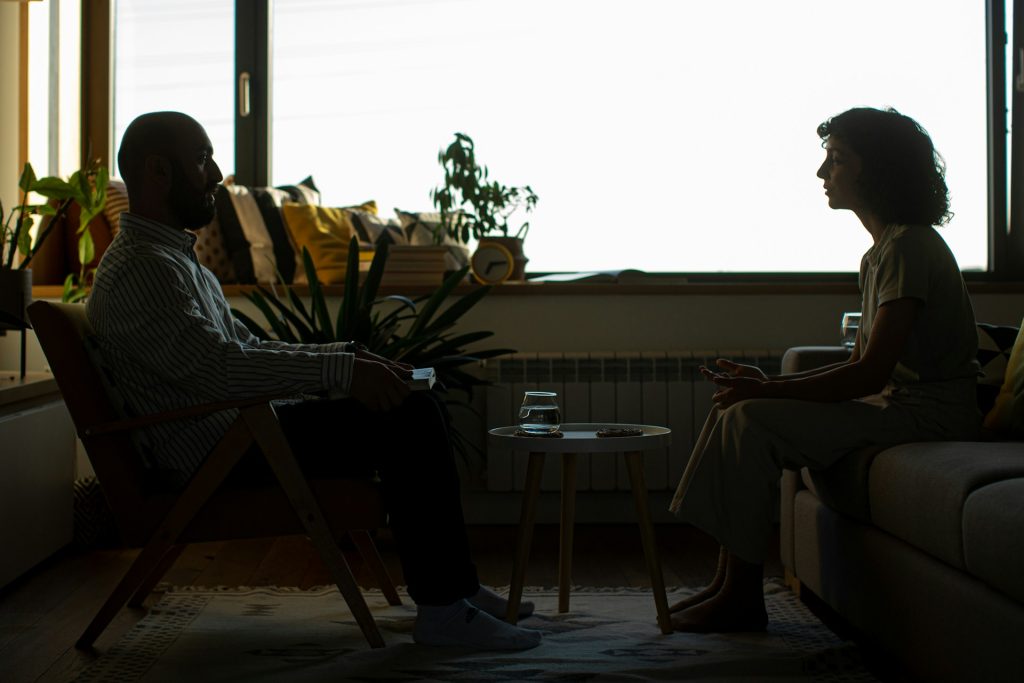
Healing after trauma looks different for everyone. Some push through their days pretending nothing’s wrong. Others might withdraw, stuck in cycles of sadness, anger, or fear that feel impossible to break. The truth is, trauma doesn’t disappear by ignoring it. Support from trained professionals can help people not just recover but actually grow stronger in ways they never expected. Finding the right help makes the path forward feel a little less confusing, even during the toughest moments.
In a city as large and diverse as Los Angeles, people deal with trauma for a wide range of reasons, from personal loss to past abuse or violence. But there are resources for PTSD treatment in Los Angeles that go way beyond basic counseling. With the right kind of support, many people come to understand their trauma better, learn ways to cope, and begin to shape lives that feel more connected, stable, and hopeful.
Understanding Trauma And Its Impact
Before healing can begin, it helps to understand what trauma actually is. Trauma isn’t limited to one bad event. It’s the lasting emotional response to a disturbing or distressing experience. When someone lives through something that overwhelms their ability to cope, the effects can stay with them long after the event has passed. That’s where post-traumatic stress disorder, or PTSD, can come into play.
PTSD doesn’t always happen right after the traumatic event. It can creep in slowly, with symptoms that might seem small at first but grow over time. Some symptoms people notice include:
– Trouble sleeping or nightmares
– Flashbacks or vivid memories that feel real
– Feeling constantly on edge or easily startled
– Avoiding places, people, or reminders of the trauma
– Feeling numb or disconnected from others
– Trouble concentrating or feeling irritable all the time
Each person’s trauma shows up in a different way. One story we often hear goes like this: someone tries to push down their painful memories and just get on with life until small triggers start piling up – a sound, a place, a specific smell – and they’re suddenly overwhelmed. By the time they look for help, they’re often exhausted.
Trauma can make people feel like they’ve lost control over their minds or emotions. It’s easy to start blaming yourself or feeling ashamed for not getting over it. But PTSD is not a sign of weakness. It’s a natural reaction to stressful experiences, and healing is possible with the right kind of help.
Professional Support For Trauma Recovery
When trauma feels too heavy to handle solo, working with professionals can make a real difference. Trained therapists and mental health specialists understand how trauma affects the brain and body, and they know how to guide people through it. There’s no one-size-fits-all when it comes to support, so here’s a breakdown of some common options people explore in Los Angeles:
– Individual therapy: One-on-one sessions with a licensed therapist who specializes in trauma or PTSD
– Group therapy: A safe setting where people share their experiences and learn from others who’ve faced similar struggles
– Intensive Outpatient Programs (IOP): A structured program with several sessions each week, mixing therapy, group sessions, and wellness practices
– Partial Hospitalization Programs (PHP): A step up from IOP, PHP provides care during the day with the patient returning home at night. It usually includes a blend of therapy types in a supportive and closely monitored environment
The right program depends on a person’s needs, schedule, and level of distress. Professionals help take out the guesswork by offering assessments and recommending a strategy that fits where someone’s at emotionally.
One of the biggest benefits of professional support is that it takes away that sense of going at it alone. You’re no longer trying to work through things without guidance. Instead, you’re actively learning strategies to cope and gently face the pain you’ve been carrying for too long. Whether it’s learning grounding techniques for panic or reprocessing traumatic memories in therapy, each step builds confidence and balance in a way that feels doable.
Integrating Holistic Wellness In Recovery
Healing from trauma involves more than just talk therapy. While structured support plays a big role, many people also benefit from practices that care for the body and mind together. That’s where holistic wellness comes in. These are activities that help create calm, build self-awareness, and reconnect you with your inner rhythm, especially when PTSD symptoms make you feel unsettled or trapped in your own body.
Some holistic options that are often used to support trauma recovery include:
– Yoga: Focused movement and breathing that helps release tension and create a sense of safety
– Meditation: Helps calm racing thoughts and creates space between you and overwhelming emotions
– Art therapy: A creative way to explore feelings that are hard to put into words
– Sound or music therapy: Using rhythm or melody to shift focus and boost mood
– Nature walks or gardening: Simple activities that ground you in the present without added pressure
These options don’t work the same way for everyone, and that’s okay. The key is finding healthy tools that feel approachable to you. Some people might resist trying meditation at first, only to discover later that even five quiet minutes each morning help ease their anxiety throughout the day. Others may find that creative expression like drawing or playing an instrument gives them more emotional freedom than talking ever has.
Holistic wellness doesn’t replace professional therapy or treatment, but it adds another meaningful layer. By combining physical action, mindfulness, and sensory experiences, it becomes possible to replace tension with stability and fear with comfort, even if just in small moments that build over time.
Building A Strong Support Network
Recovery isn’t always a straight line, and trying to go it alone can make tough days feel even harder. That’s why a strong support network matters. The people, spaces, and communities you surround yourself with can either lift you up or weigh you down. When it comes to healing from trauma, positive relationships and shared understanding become tools just as important as therapy.
In Los Angeles, there are many options to help you connect with others:
– Check for support groups based around specific types of trauma. These often meet in person or online and are led by trained facilitators
– Community centers and local nonprofits sometimes offer free or low-cost group events focused on mental health
– Libraries and wellness studios may host public events like journaling circles, meditation sessions, or wellness talks where you can connect with others
– Spiritual or cultural communities can also offer emotional safety and shared values that make processing pain a little easier
Even casual peer support can help. Having someone who listens without judgment, or simply another person who just gets it, can make a big difference. Friends or family might not always understand exactly what you’re going through, but when they’re willing to show up, check in, and offer consistent kindness, that presence helps quiet the sense of isolation trauma can bring.
If your current circle doesn’t feel safe or helpful, that’s okay too. Healing often means building something new. It’s better to have a few strong, honest relationships than a broader group that leaves you feeling unseen or unaccepted. Trust can grow again, and you’re allowed to choose who belongs in your story.
Pathways To Personal Growth
Growth after trauma doesn’t mean forgetting what happened. It means living with it in a way that doesn’t control you anymore. Some people notice they’re more patient, clear-headed, or better listeners because they’ve had to work through hard emotional terrain. Others become more empathetic or start making life choices that feel more meaningful or aligned with what they truly want.
That growth doesn’t happen overnight. It starts with small changes. Getting out of bed with intention. Reaching out instead of shutting down. Taking a breath when you feel yourself spiraling. Little wins add up, especially when supported with consistent care and tools that actually work with your needs.
Let’s say someone joins a therapy group after putting it off for years. At first, they don’t say much. Then one day, they share something deeply personal. There’s no judgment. Just support. That moment builds confidence, and slowly, they find their voice in other parts of life too — at work, in friendships, and even in how they talk to themselves. It’s not always linear, but the change is real and lasting.
Healing doesn’t erase the pain, but it can create space for peace, agency, and new purpose. You’re allowed to move forward. You’re allowed to build new habits. You’re allowed to grow through what you’ve been through.
Finding Strength In Professional Support
Facing your trauma isn’t about being fearless. It’s about giving yourself a fair shot at feeling whole again. Whether you’re just starting to face tough memories or deep into the process, support from trained professionals can be the thing that keeps you going when you feel like giving up.
Los Angeles has many paths to support people struggling with PTSD and trauma. Finding the right match may take time, but it often sets the stage for meaningful, long-term healing. With the right structure and steady guidance, you won’t just cope, you’ll grow.
You don’t have to fix everything overnight, and you don’t have to pretend you’re okay when you’re not. You deserve help that sees all of you, not just your struggles but your strength too. There is strength in admitting when it’s time to heal, and there’s real power in finally choosing to move forward.
If you’re ready to take the next step toward emotional healing, finding the right care can make all the difference. Learn how PTSD treatment in Los Angeles through Serenity Zone can help you regain balance and build a more hopeful future. Our experienced team offers personalized support designed to guide you through every stage of recovery with compassion and understanding.
Life after trauma often feels unpredictable. One moment you’re going about your day, and the next, something small throws you off. Recovering from trauma means finding ways to bring your body and mind back to a steady place. That’s where sensory tools can help. These are small, simple items or practices that target the senses to bring relief when emotions feel too big or unmanageable.
Living with PTSD, especially in the fast pace of a city like Los Angeles, means your nervous system might stay on high alert more often than not. Tools that offer calming input through touch, sound, smell, sight, or movement can help signal to your brain that you’re safe. They won’t erase trauma, but they can help you manage uncomfortable moments as you work through the healing process.
Understanding Sensory Tools For Trauma Recovery
Sensory tools are things that engage one or more of your senses in a calming or regulating way. These can be soft objects you hold in your hands, tools that make soothing sounds, or even scents that bring a sense of calm. They don’t need to be fancy or expensive. Many people use them to feel more grounded when anxiety, flashbacks, or emotional overwhelm begin to rise.
Trauma can cause the body to stay in a fight, flight, or freeze response long after the actual event has passed. For people living with PTSD, these symptoms can show up quickly and without warning. Sensory tools provide a way to interrupt this pattern. They give your brain and body something steady to focus on that feels safe and manageable.
Over time, building a toolkit of sensory strategies can help lower stress and build emotional awareness. Knowing what helps you feel calm gives a sense of control when everything else feels off track. For example, someone might keep a stress ball or small textured object in their pocket when going into situations that are overstimulating. Simple movements like rubbing the object slowly between their fingers can help them stay present and breathe more evenly.
The goal isn’t to fix anything quickly, but to create a pause. A moment to check in, take a breath, and reconnect to the current surroundings. For those managing PTSD symptoms in a busy city like Los Angeles, having sensory tools on hand can be a solid step toward building a safer, more balanced day.
Types Of Sensory Tools And Their Benefits
There are many types of sensory tools that people can try. What soothes one person may not work for the next, so trying out different tools is part of creating a personal plan. Some are portable and easy to use anywhere, while others might be more useful at home. Below are some common types and how they may help manage PTSD symptoms:
– Weighted blankets or lap pads: These use deep pressure to promote a sense of relaxation. Many people find them helpful for sleep or quiet time at home.
– Fidget tools: Small, handheld items like spinners, cubes, or textured putty can provide tactile input and help redirect nervous energy.
– Aromatherapy: Scents like lavender, peppermint, or eucalyptus can be soothing when used through essential oils or calming spray bottles.
– Noise-canceling headphones: These help block out overstimulation and reduce anxiety in crowded or noisy places.
– Visual aids: Items such as lava lamps, changing light patterns, or sensory bottles can be helpful for focusing and reducing feelings of panic.
– Cold compress or ice packs: A sudden cold sensation can bring your awareness back to the moment and interrupt escalating thoughts.
Keep in mind, these tools aren’t meant to solve every symptom, but they can become reliable parts of a larger routine. The best results usually come from using them regularly and understanding which tool works best in which situation. What’s calming in the middle of a quiet evening might not do much during an overwhelming commute on a crowded LA freeway. The key is matching the tool to your current level of stress and your environment.
For people starting PTSD therapy in Los Angeles, these tools can act as companions to professional treatment. They support emotional regulation between sessions, giving you something to lean on while working through difficult feelings or memories. When used intentionally, they can lead to more awareness and stronger coping patterns, one day at a time.
Implementing Sensory Tools In Daily Life
Knowing which tools help is just one part of the process. Putting them into real-life routines makes them more effective. It’s not just about what you carry in your pocket, but also how and when you use them.
Start by thinking about where symptoms usually show up. Is it while commuting through Los Angeles traffic? In crowded stores? During quiet moments at night? The more you notice your own patterns, the easier it becomes to pick the right tool for the moment. Keeping small items like fidget toys, essential oil rollers, or textured keychains can help when you’re on the move. At home, create calming spaces, even if it’s just a specific chair with a weighted blanket nearby.
Here’s how sensory tools can be built into your day:
– Morning routine: Begin with calming scents, like lavender or citrus, to start the day with balance.
– Work or errands: Keep a stress ball or smooth stone in your bag to grip when tension builds.
– Breaks: Use noise-canceling headphones for a quiet reset or to step out of an overstimulating moment.
– Evening wind-down: Lie under a weighted blanket while listening to slow music or watching soft lighting.
– Sleep prep: Use soothing smells and low lighting to gently tell your body it’s time to rest.
The goal is to establish a rhythm. Sensory tools work best when they’re part of a habit, not a last-minute fix. Creating a toolkit might take some time, and that’s okay. You’re learning what works with your body, and that takes patience. One woman shared how she keeps chamomile oil in her glove compartment. Before getting out of the car for appointments, she takes a moment to breathe it in, helping her step into the space feeling more present and less overwhelmed.
Getting Professional Support For PTSD Therapy In Los Angeles
While sensory tools can help, they’re most useful when paired with professional guidance. Having someone trained in trauma care can show you how to use these tools in the right way and when to use them. For someone dealing with PTSD in Los Angeles, local therapy isn’t just convenient, it’s another steady base. Life here moves fast. Therapy can slow things down just enough for real healing to happen.
A therapist might walk you through exercises that involve sensory tools, helping you track your reactions and learn from them. You’re not expected to have all the answers or even know where to start. That’s where professional care fills in gaps. Finding a safe space to figure out what’s too much, what’s just enough, and what helps is easier with someone on your side.
Trauma recovery is layered. It takes time and often includes setbacks. But incorporating tools that work with your nervous system rather than against it can shift everyday moments from overwhelming to manageable. With help, the pieces start clicking into place. The flashbacks don’t control your schedule. You begin to notice what calms you, what triggers you, and how to respond in ways that don’t leave you drained.
Finding Strength in Simple Things
Healing doesn’t always come in big breakthroughs. Often, it builds in small steps like choosing to carry a soft object that offers comfort or playing a sound that helps your mind settle after a long day. These details may seem minor, but they add up. Sensory tools are one of those quiet supports that get stronger the more consistently you lean into them.
Recovering from PTSD is deeply personal and no two paths look exactly the same. But having grounding tools in place can offer a bit of steadiness when things feel shaky. Whether you’re just starting therapy or you’ve been at it for years, adding sensory strategies to your routine can bring a little more peace to each day. Healing isn’t about getting back to how things were before. It’s about learning how to feel safe where you are now. Helping your senses feel steady again is a good place to begin.
Connecting with the right resources can make all the difference in healing. If you’re navigating the complexities of trauma recovery and looking for support tailored to your needs, consider exploring PTSD therapy in Los Angeles with Serenity Zone. Discover how our programs can provide the comprehensive care necessary for your journey.
Trauma changes the way people think, feel, and deal with the world around them. It can leave emotions stuck, hard to put into words, or too overwhelming to express out loud. That’s where creative expression can make a real difference. It gives those feelings a way out without needing to explain everything directly. Whether someone is painting, dancing, or writing, creative outlets can help make sense of what happened and help lessen the emotional pressure.
People dealing with PTSD in Los Angeles or anywhere else are often looking for ways beyond talk therapy to process what they’ve been through. While talking is helpful, it’s not always the easiest first step. Creative techniques open up new ways of healing that feel more natural and safe for some. They also support traditional therapy in a way that helps people feel more connected to their progress and to themselves.
Understanding Trauma and Creative Expression
When someone experiences trauma, their body and brain don’t always process it at the moment it happens. The stress might get stored in the mind as memories, body tension, or strong emotions that show up long after the event. PTSD can come with flashbacks, bad dreams, or a feeling like you’re never fully calm. It can make it tough to trust others, enjoy daily life, or even sit still.
Creative activities can help with expression when words don’t feel like enough. They let a person focus on color, movement, sound, or story instead of trying to explain every detail out loud. This makes creative expression a gentle way to start working through hard emotions.
Here’s how creative expression helps with trauma:
– Gives a safe outlet to release painful or confusing emotions
– Shifts attention from trauma to self-awareness and reflection
– Builds a sense of control by making choices through art or activity
– Helps reconnect with feelings and the present moment
– Encourages expression when talking feels too hard or unsafe
Even if someone doesn’t see themselves as artistic, creative techniques are still a powerful tool. It’s not about creating a masterpiece. It’s about using something simple like colors, movement, music, or journaling as a way to heal.
One man shared that during painting sessions he noticed his body relax for the first time in weeks. He didn’t have to say much. Seeing his feelings on the canvas helped him take a break from the tightness in his chest and quiet down the noise in his head. That’s the kind of support creative expression can offer.
Types of Creative Expression Techniques
There are many ways to use creativity in PTSD therapy. What works for one person might not feel right for another, and that’s okay. It’s more about finding what feels comfortable than about doing it the right way.
Here are some of the most commonly used techniques:
1. Art Therapy
This involves drawing, painting, working with clay, or even digital art. It helps transfer thoughts and emotions to a visual form. The act of creating something can feel grounding and turn emotions into something a person can see and understand with new insight.
2. Music Therapy
Music offers ways to calm the mind or stir emotions that feel blocked. Some people play instruments or sing, but it can also be as simple as listening to calming music and allowing emotions to surface. Therapists may use rhythm exercises or sound-based meditation to support release.
3. Writing and Journaling
Writing stories, personal letters that never need to be sent, or daily reflections can help people shape their thoughts. Journaling in particular gives people a place to express what they’re feeling without judgment. It’s a private way to feel heard when speaking feels too exposed.
4. Dance and Movement
Trauma can live in the body, not just the thoughts. Movement, whether structured like dance or more relaxed like stretching, helps release tension. It connects people back to their body in a way that feels safe and expressive. This can reduce physical symptoms of anxiety tied to PTSD.
5. Drama and Role-Playing
Some therapy groups use acting or story-building to explore emotions or past situations. Playing out scenes with different outcomes can help someone practice emotional responses, build empathy, and feel more in control when dealing with stress.
These tools don’t need to be used on their own. A therapist might use several of them depending on what fits best and what each person responds to. The goal is always the same: to help reduce emotional weight and rebuild a sense of safety and strength through expression.
The next step is understanding how these techniques fit into a structured therapy plan. That’s where real progress can take shape.
Integrating Creative Expression in PTSD Therapy
Creative expression works best when it’s part of a layered treatment plan. In PTSD therapy in Los Angeles, therapists often mix traditional talk therapy with expressive tools to create a more balanced approach. This gives people more ways to share what they’re feeling and more chances to discover what works best. It also makes treatment feel less rigid and more personal.
Creative activities aren’t just something people do on their own. When used with guidance from a licensed therapist, they can support deeper emotional growth. For example, a therapist might begin a session with a short journaling prompt to help someone reflect before moving into discussion. Others might end group sessions with music or drawing to help lower stress before heading back into daily life.
Some therapy programs schedule entire sessions around creative work. They may include:
– A guided art session followed by a group talk about the process, not the product
– Music circles where people choose songs that reflect their current mood
– Individual journaling time with prompts that relate to specific trauma symptoms
– Movement sessions like stretching or walking to help release physical tension
– Role-play exercises with a therapist to gently recreate and reframe past situations
The goal is to offer multiple entry points into healing. Not everyone responds to the same thing. By integrating different techniques, therapists give patients more room to explore pain without getting stuck in it.
One therapist in Los Angeles shared how she worked with a client who rarely spoke in sessions. When given markers and paper, though, the same client began drawing scenes from her childhood. Over time, those drawings acted as a bridge. The two started naming the feelings shown on the page and, slowly, that client began speaking them out loud too. Progress didn’t come through pressure. It came through flexibility.
Choosing the Right Method for You
No two trauma stories are exactly the same, and healing doesn’t look the same for everyone either. That’s why it’s important to try different creative methods and notice which ones feel right for you. The first few attempts might be awkward or unclear, and that’s completely normal. It’s not about skill. It’s about emotional release and connection.
Here are a few tips to help figure out what type of expression might match your needs:
1. Think about how you usually process stress. Do you write it out, retreat into music, go for walks, or fidget with your hands? That might point to a natural path for expression.
2. Notice how your body responds. If music makes your shoulders drop or drawing settles your breathing, those are good signs.
3. Give new things a chance. Even if you’ve never acted or painted before, you won’t know if it helps until you try.
4. Journal about each session. After using any creative tool, write down how you felt before, during, and after. Patterns in those notes can guide you toward what works best.
5. Don’t force it. If something feels draining or triggering, let your therapist know. There is no one-size-fits-all approach.
Personalized care is about choice. The more options you try, the better your chances of building a routine that feels grounding and true to you.
Your Path to Healing Through Creativity
Creative expression makes the healing process feel a little more human. It gives people a break from having to always explain their trauma in words. It also helps build trust first with the activity, then with the therapist, and eventually with others.
Healing from PTSD in a place like Los Angeles, where life moves fast and stress builds quickly, sometimes calls for quieter ways to process things. A rhythm, a drawing, a seven-word journal entry each of these can carry powerful weight.
When creative tools are blended into therapy with intention and care, they give people more than a distraction. They provide a mirror, a voice, and a place to move forward at their own pace. And often, that’s what makes the healing stick.
As you navigate your mental health journey, consider how creative expression can enhance your healing process with the support of professional guidance. Explore the transformative benefits of PTSD therapy in Los Angeles to find approaches that resonate with you personally. At Serenity Zone, our programs are thoughtfully designed to integrate both traditional and creative therapies, offering a peaceful and supportive environment for your path to recovery. Discover more about how we can help you find balance and well-being.
Recovering from PTSD can feel like climbing uphill without knowing where the top is. Some days bring emotional weight, intrusive thoughts, or the sudden return of a distressing memory. It’s not just about what happened in the past — it’s also about dealing with what your mind and body go through in the present. Traditional therapy helps, but it may not reach every part of the healing process for everyone.
That’s where holistic wellness activities come in. These approaches aim to support both the mind and body, helping people feel more connected and in control. They’re not a replacement for therapy, but when used along with it, they can make recovery more manageable. In Los Angeles, where there’s easy access to natural spaces and a wide variety of wellness practices, holistic options have become a regular part of PTSD treatment plans.
Understanding Holistic Wellness Activities
Holistic wellness is about finding balance. Instead of only focusing on managing symptoms, it looks at the whole person — body, mind, and spirit. For people recovering from PTSD, that means doing more than just talking about trauma. It can involve moving the body, calming the nervous system, and expressing emotions in fresh ways.
Traditional therapy usually focuses on talk sessions, sometimes with medication. Holistic wellness activities add another layer by using practices outside the usual medical path. These can include:
– Yoga or tai chi for physical grounding
– Meditation and deep breathing for calming the nervous system
– Expressive arts like drawing, painting, or music
– Journaling for emotional release
– Spending time outdoors or in nature
What makes these activities different is that they may not directly address trauma through discussion. But they still help people learn how to stay present, reduce inner tension, and slowly rebuild trust in their body and mind.
It’s not about whether traditional therapy is better. It’s about how these two forms of care can work together to give people more tools. Especially in a place like Los Angeles, where communities are more open to wellness options and access is easier, holistic support is often right alongside more clinical work.
Mind-Body Connection in PTSD Recovery
When trauma shows up, it doesn’t just stay in the mind. It can live in the body too — in tense shoulders, shallow breathing, or nervous energy that doesn’t go away. That’s why activities like yoga and meditation can make a big difference during PTSD recovery. These practices help the body release some of what it’s holding, while also keeping the mind from spinning out of control.
Yoga, for example, combines movement and stretching with breathwork. It gives people a chance to build a relationship with their body again. During PTSD recovery, many people feel like their body betrayed them or no longer feels like a safe place. Learning to move gently and breathe deeply in yoga can help rebuild that trust.
Meditation supports the same goal from a more still place. Focusing on a breath, a word, or simply sitting quietly can help calm the mind. It creates space between negative thoughts and emotional responses, which can help people stop reacting out of habit and begin responding with intention.
One person recovering from PTSD once shared how practicing slow breathing during a stressful moment helped them avoid a panic attack. They didn’t stop the panic from trying to show up, but they interrupted the cycle before it took over. That’s the kind of progress you might not notice right away, but over time, these tiny shifts can mean everything.
These practices are not quick fixes. They take time and patience, but they give PTSD survivors real tools they can use when they’re overwhelmed. In a busy environment like Los Angeles, being able to pause and ground the body can be part of what keeps recovery moving forward.
Benefits of Nature and Outdoor Activities
Being outdoors can offer more than fresh air, especially for someone healing from trauma. Nature has a way of anchoring people in the present moment. Whether it’s hearing birds, feeling the warm sun, or watching tree branches sway in the wind, these simple observations help bring people out of their heads and into their surroundings.
In Los Angeles, where the weather in August is warm and inviting, spending time outside is a regular option. Activities like walking through Griffith Park, gardening in a community plot, or just sitting with your feet in the grass all help reconnect the body with the moment. These types of grounding activities remind people their body is safe and supported right now, even if the mind feels otherwise.
Gardening is a hands-on example that supports calm and routine. The feel of soil, keeping track of a watering schedule, or watching a seed grow into something green gives many people recovering from PTSD a quiet sense of purpose. It’s not about performance. It’s about connection. Projects like these often lead to small wins that feel really meaningful when life has been stuck in survival mode.
Nature walks also allow space to breathe, move at your own pace, and gently explore your thoughts without pressure. When someone walks with their full attention, taking in the colors of plants, the smells in the air, and the textures underfoot, they activate their senses. These little sensory check-ins are simple but powerful ways to stay present and lower emotional overwhelm.
Creative Expression as a Healing Tool
When feelings run deep, words aren’t always enough. That’s why creative expression can be so helpful. Activities like painting, playing an instrument, or writing in a journal give those emotions somewhere else to go.
PTSD can leave people with tangled thoughts and feelings they can’t always explain. Art or music doesn’t require full explanations. It allows whatever’s inside to flow out in a form that feels safer or more accessible. For some, it’s picking up colored pencils to sketch how they feel. For others, it’s writing lyrics or telling their story through poetry.
Here are a few creative outlets that many people find helpful during PTSD treatment:
– Art therapy, where paint, clay, or drawing are used in guided sessions
– Music therapy, which can involve playing instruments or listening exercises
– Journaling, especially when emotions feel too big or confusing to sort verbally
– Photography, as it encourages focus on the present moment
– Collage-making, using mixed media to represent different emotional layers
Even if someone hasn’t considered themselves an artist, these activities aren’t about talent. They’re about release. Expressing something with your hands and giving your feelings form, even privately, can help you recognize patterns and triggers while learning new ways to cope.
One woman shared how journaling each day gave her a safe spot to unload without fear of judgment. She didn’t write essays, just quick, uncensored thoughts. Looking back through that journal helped her connect changes in her mood to certain events or memories, which later became part of her therapy process.
Incorporating Physical Fitness into Recovery
Exercise may not sound like a healing practice at first, but it plays a big role in PTSD recovery. Regular movement doesn’t just make your body stronger, it clears mental tension and supports emotional balance.
Activities like running, swimming, walking, or tai chi can help with sleep, improve focus, and give people a healthy way to release pent-up stress. For PTSD, where stress often settles deep into the body, movement helps shift that energy outward.
Even short daily movement builds structure into the day. That structure can feel reassuring when things feel out of control. As an added benefit, activities like tai chi and swimming require you to pay attention to your breath and your posture. That focus encourages mindfulness while your body is moving, something that builds the mind-body connection over time.
Running, for example, may give some people a sense of control and rhythm. Others may prefer swimming, where repetitive strokes and the water’s pressure act like a physical form of calm. And tai chi’s slow-motion movements blend focus, discipline, and breath, which can make participants feel centered.
Starting small is totally fine. A short walk or brief body stretches can be a great place to begin. The point isn’t to set records. It’s to move with purpose and give your body a role in your recovery.
Reclaiming Strength One Step at a Time
PTSD recovery isn’t quick, and it doesn’t look the same for everyone. Talk therapy is important, but finding peace often means reaching into more than one area of life. Holistic wellness activities strengthen that effort by weaving in movement, self-expression, and the power of nature into the process.
Whether it’s stepping onto a yoga mat, journaling emotions without a filter, or spending time under the trees, these choices help rebuild what PTSD may have taken: a sense of balance, safety, and connection. What matters most is finding what makes you feel supported and making space for that in your healing path.
If you’re in Los Angeles and looking for PTSD treatment that considers your whole self, take a look at programs that blend clinical therapy with real-world wellness practices. You deserve a plan that speaks to every part of who you are, mind, body, and heart.
Discover the support you deserve with Serenity Zone’s programs, seamlessly combining therapy with holistic wellness. If you’re exploring options for PTSD treatment in Los Angeles, learn how our approach can help you regain balance and move forward with confidence.