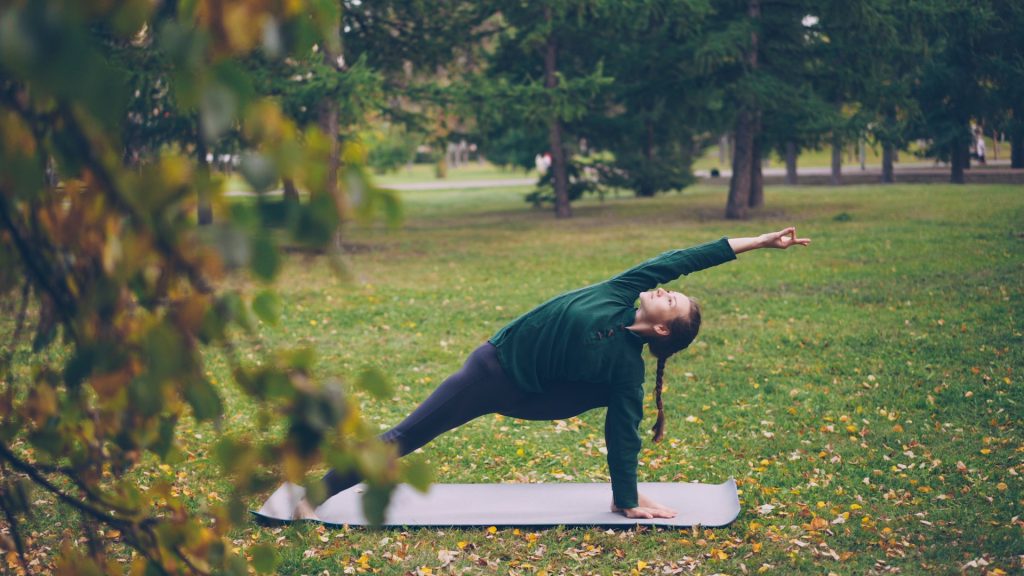
Group support often opens the door to healing in ways that individual conversations can’t always reach. When you’re surrounded by others who truly understand your challenges, it becomes easier to talk and feel heard. That kind of connection where someone across the room finishes a thought you were too afraid to speak can be a powerful reminder that you’re not going through things alone.
There’s something deeply comforting about walking into a space where everyone is there for a similar reason, each working through their own journey. Shared experiences build trust faster, and that kind of community helps take some of the weight off. Especially in places like Los Angeles, where things can feel overwhelming, finding a sense of belonging through group support can guide people toward healthier routines and real change.
Understanding Group Support in Mental Health
Group support in mental health looks different depending on the setting, but the core idea stays the same. People come together to help each other heal. These sessions can happen in various environments, but when they’re part of a structured program like in a psychiatric hospital in Los Angeles, they follow a clear plan and are led by a trained clinician.
In these group settings, people meet in a dedicated space, guided by a therapist or mental health professional. It’s not just a random gathering, and it doesn’t feel like a lecture either. It’s a shared conversation where participants talk about emotions, behaviors, and personal challenges while learning how others have handled similar struggles. Everything shared in the group stays there, creating a strong sense of trust and protection.
Topics often include everyday stress, trauma, or relationship confidence. Some sessions are more open, allowing participants to bring up whatever’s on their mind, while others have focused themes like coping skills or emotional regulation. It’s not about being perfect. Participation in itself is a positive step forward.
Emotional and Social Benefits of Group Support
Hearing someone else describe an emotion or experience that feels familiar can bring a surprising amount of comfort. One major emotional benefit of group support is knowing you’re not alone. That little voice that says, “It’s just me,” quiets down when you realize others feel that too.
This kind of emotional comfort helps in many ways:
– It improves self-awareness by seeing how different people explain their emotional reactions.
– It builds empathy by hearing situations from someone else’s point of view.
– It can reduce the heavy feelings of shame that often come with depression, anxiety, or PTSD.
– It encourages people to keep attending, even on days when motivation is low.
When someone talks about struggling to get up in the morning and another person nods in agreement, it creates a moment of shared understanding. Tips and strategies come along naturally, helping to lighten each person’s emotional load over time.
Group support also helps rebuild trust. For people who’ve felt isolated or judged, this kind of space offers a reset. It’s a place to practice listening, respecting, and being yourself without fear of rejection. These social skills often carry into daily life, strengthening relationships outside the therapy room too.
Practical Benefits of Group Support
While the emotional side of group therapy is powerful, it’s also practical. These sessions give people tools they can use every day. Learning new strategies feels more doable when you hear how they worked for someone nearby. It’s a learning environment that comes with real-life examples.
Things you’re likely to pick up from group support sessions include:
– Different ways to cope when faced with anxiety or triggers.
– Opportunities to challenge negative thinking patterns in a safer setting.
– Honest feedback from peers who know what you’re going through.
– A built-in routine, which helps you stay on track and makes it easier to commit to progress.
– Inspiration from watching others grow and change in real time.
Take something as simple as changing inner dialogue. A group member might share how they went from saying, “Nothing I do matters,” to reframing it into, “I’m having a hard time, but that doesn’t mean I’m failing.” These moments stick with others in the group and often begin to shape new habits.
Over time, these repeated strategies add resilience. Each tip, coping tool, or insight builds on the last, helping participants feel more prepared as they move forward in their mental health journey.
Professional Guidance in Group Settings
Group sessions run by a therapist bring valuable structure and make sure everyone’s needs are respected. These professionals do more than sit in the room. They guide the flow of conversation, make space for quieter members, and keep the tone supporting and grounded.
A skilled group therapist knows when to step in and when to let the group speak for itself. Some days may include more directed activities; other times, it may be a more open circle of sharing. They create an environment where no one feels pushed to say more than they’re ready to, but where participation is always welcomed.
Here’s what makes professional guidance so important:
– Therapists make sure conversations stay safe, even when topics get difficult.
– They add insight that may not show up in peer discussion alone.
– They help group members reflect on patterns or triggers in a clear, compassionate way.
– They make sure the focus of each session stays on track, giving every voice a chance to be heard.
Facilitators also recognize when someone might need extra support or a different kind of care. Their ability to hold a safe container for healing makes the difference between a helpful session and one that feels overwhelming.
Finding the Right Group Support Program in Los Angeles
Finding a group support program that fits just right can be a challenge, especially with how many options there are in Los Angeles. The best starting point is knowing what matters most to you. Do you want a group focused on emotional processing, or something that leans more into skills training? Do you prefer a smaller group where everyone has time to talk, or something larger with wider perspectives?
Some helpful things to check as you look for a good fit:
– Does the theme or focus of the group match your personal needs?
– Is it led by licensed therapists or another trained mental health professional?
– How many people are typically in each session?
– Is it offered online, in person, or both?
– Is there time built in to process emotions and not just move topic to topic?
Group support programs can be short-term or long-term and still offer meaningful change. Whether you’re looking to get grounded again after a major life change or want to better manage ongoing stress, it’s about finding a space where you feel respected, safe, and not alone.
Serenity Zone offers programs in Los Angeles that follow a structured, therapeutic model designed to support different goals and diagnoses. Connecting with a psychiatric hospital in Los Angeles that understands both clinical and community care can make all the difference.
What It Feels Like to Belong Somewhere
At the heart of group support is the community that builds when people keep showing up. Some days it may feel easier to stay quiet or even skip the session, but those who keep attending often find new reserves of strength they didn’t know they had.
There’s freedom in knowing that being part of a group doesn’t mean sharing every detail or having it all figured out. Some days you listen, some days you talk. Each session becomes a place where you’re reminded you’re not walking your path alone.
Healing doesn’t always come through breakthroughs. It often comes in small interactions. A look of understanding. A story that echoes your own. A tip that helps you manage a tough morning. These moments matter.
Group support invites people to heal together. Being surrounded by others facing similar challenges makes even the hardest steps feel a little easier. It’s not about fixing everything at once. It’s about having a place to return to where growth feels possible and support is never far away.
Discover the path to healing with community at Serenity Zone. If you’re considering group support from a knowledgeable team, explore how our psychiatric hospital in Los Angeles offers structured care in a warm and welcoming environment. Our programs give you the chance to grow and connect with others on similar paths.
As the days in Los Angeles get shorter and the sunsets come earlier, it’s not just your wardrobe that changes. Shifts in season, especially moving into fall, can stir up changes in mood, sleep, and energy levels. For some, this time of year brings a cozy sense of change. For others, it sparks emotional ups and downs that are hard to shake.
Self-care has a big role to play in how we handle these seasonal shifts. It’s not just about spa days or pumpkin-scented candles. It’s about checking in with yourself early, before things start to feel overwhelming. Learning simple habits to support your mental health during this transition can help you stay grounded, even when the weather and your schedule start to shift.
Understanding Seasonal Affective Disorder
Seasonal Affective Disorder, or SAD, is a type of depression that follows seasonal patterns. It’s more than just feeling off during a cloudy week. This kind of depression can linger, often showing up in the fall and lasting into the winter months. Though it can also happen during other times of year, fall and winter are the most common triggers.
People with SAD may experience mood swings, sleep too much or too little, feel drained of energy, or struggle to focus. Changes in appetite or losing interest in things that normally bring joy are also common signs. While Los Angeles is known for its sunny weather, seasonal shifts can still have a real impact. Cooler days, longer nights, and schedule changes can all disturb a person’s inner balance.
It helps to notice patterns in how you feel each year. Maybe you feel more tired starting in late September. Or perhaps your evenings begin to drag once the daylight fades. Maybe you stop jogging when it gets dark earlier—not because you don’t want to exercise, but because your body and mind are reacting to the change. When routines begin to fall apart, it’s easy to feel unsettled.
Understanding these patterns doesn’t make SAD disappear, but it gives you a chance to respond earlier and more effectively. Paying attention to changes in mood or habits and preparing for them ahead of time can reduce their impact and support your emotional balance.
Effective Self-Care Strategies for the Fall Season
When the season shifts, self-care becomes more important. It doesn’t have to be complicated or time-consuming. The goal is to take care of yourself in small, meaningful ways each day. Here are three tips that can help you stay balanced this fall.
1. Establish a Routine
A daily routine provides structure and predictability during months that feel uncertain. Going to sleep and waking up at the same time every day, even on weekends, can help keep your body and mind steady. A consistent schedule for meals, movement, and breaks throughout the day helps create moments of control and calm.
2. Stay Active
Physical movement supports mental health. You don’t need a full workout plan to benefit. Walking during your lunch break, stretching in the morning, or choosing to bike instead of drive to a nearby store can all help. Fall in Los Angeles still has plenty of warm days and sunlight, making outdoor movement easy and enjoyable.
3. Eat for Mood Support
What you eat affects how you feel. Choosing foods that provide steady energy can support a better mood. Look for options like:
– Oats and brown rice for long-lasting energy
– Avocados, nuts, and seeds for healthy fats
– Leafy greens packed with mood-supporting nutrients
– Warm meals like soup or roasted vegetables that provide comfort without heaviness
Make time to eat regular meals and drink plenty of water. Skipping meals or grabbing junk food during a mood slump can leave you feeling worse. A little planning and attention go a long way.
Taking care of your body is key to supporting your mental health, especially during transitional periods. These simple practices are an easy place to start.
Utilizing Mental Health Programs in Los Angeles
Sometimes, personal tools and changes at home are not enough to ease seasonal symptoms. When feeling off turns into feeling stuck or overwhelmed, structured mental health support can offer a much-needed shift.
Mental health programs in Los Angeles are an option for those who want more guidance. These programs often go beyond regular talk therapy. They include group work, lifestyle guidance, and wellness-based activities. This combination helps you approach mental health from more than just one angle.
Many people find the structure of frequent sessions helpful, especially during fall and winter. When energy is low or motivation fades, scheduled support becomes a steady routine that encourages progress. These programs also offer tools people can continue using outside of sessions, making them helpful both short-term and long-term.
Whether you are dealing with symptoms of SAD or simply feeling more stressed, anxious, or withdrawn, these programs create space to recharge. They also offer the ability to understand deeper emotional patterns, build coping skills, and feel more supported through life’s transitions.
Create a Supportive Home Environment
Where you spend your time matters. Your home can either increase stress or help you recharge. Fall usually brings more time indoors, so this season is a good opportunity to shape your space in ways that support well-being.
Simple changes can improve the feel of your home:
– Let in natural light during the day. Pull back curtains and blinds whenever possible
– Use soft, warm lighting to create a relaxing atmosphere in the evenings
– Keep calming items nearby, like a favorite throw blanket or a playlist of quiet music
– Remove clutter in visible areas to reduce unnecessary stress
– Create a screen-free zone for reading, journaling, or relaxing
You don’t need to overhaul your space. Focus on one room or corner that offers a sense of rest. Sometimes that one spot becomes a go-to during moments when stress builds.
Adding elements of nature also helps. Even if you’re not outdoors often, having a plant in view or artwork that reflects nature can have a calming effect. These touches can shift how your mind processes the space, making it easier to disconnect from distractions.
Keep Social Connections Alive Through the Season
Fall can lead to fewer social plans. As people ease into work and school routines, social time sometimes slips away. Even though energy might dip, staying connected with others plays a big part in maintaining wellness.
Ask yourself whether you’ve been seeking solitude or sinking into isolation. There’s a difference. If you’re unsure, consider how you feel after time alone. If you feel renewed, you probably needed the break. If you feel lonelier, it may be time to reach out to someone.
Social self-care doesn’t have to be complex. Try options like:
– Sending a text check-in or leaving a voice message
– Scheduling a short phone call once a week
– Inviting someone for a casual walk or coffee
– Finding a local group activity tied to one of your hobbies
Connection makes emotions feel more manageable. Sharing time or words with someone can help shift your outlook and create a sense of belonging.
Embracing a Balanced and Mindful Autumn
Fall in Los Angeles may not bring blizzards or freezing temperatures, but the shift into autumn is still real—and it affects emotional health just the same. Taking the time to build supportive routines makes a difference, whether it’s locking in your bedtime, walking more in the daylight, or cooking meals that nourish your mind as much as your body.
If certain warning signs keep showing up, professional care can make the difference between struggling through the season or building resilience for it. The support is here, and recognizing you could use it is a strength. Your environment, habits, and connections all work together to support a healthier perspective through seasonal changes.
This fall, be kind to yourself. Ease in without pressure. Start small. Whether it’s rearranging a space to bring you peace or reaching out to a friend, each action builds a rhythm that helps you feel more like yourself again.
If you’re feeling like you could use a little extra support this season, exploring mental health programs in Los Angeles might be a great step. With personalized care and various approaches to wellness, Serenity Zone offers programs designed to guide you through seasonal changes and beyond. Discover how these tailored programs can help you build resilience and find balance in the midst of life’s transitions.
Getting outside does a lot more than just stretch your legs. For people working through mental health challenges, even a few minutes under the sky can make a big difference. Whether it’s the calming feel of sunshine, the sound of wind in the trees, or the chance to move your body freely, outdoor spaces give your mind and body a break from daily stress. Los Angeles, with its mild fall weather and mix of mountains, beaches, and parks, offers countless chances to enjoy nature all year long.
As October rolls around, the heat of summer eases up but daylight still lasts long enough for outdoor plans. This makes fall in Los Angeles one of the best times to connect with natural spaces and use them to support recovery and emotional balance. Spending time outside doesn’t need to be complicated. With small changes and local spots, people can ease anxiety, lift low moods, and feel more grounded as part of their mental health journey.
The Healing Power Of Nature
Being outside gives the mind a chance to reset. Nature offers sights, sounds, and smells that slow down racing thoughts, quiet negative thinking, and bring the mind back to the current moment. That’s one reason more mental health providers are adding ecotherapy, or nature-based therapy, to traditional treatment. This doesn’t mean giving up other kinds of support. It means adding natural settings as part of the whole picture.
Here’s how time in nature can help during mental health recovery:
– Lowers anxiety with calm surroundings like trees, water, and open spaces
– Encourages movement, which can help boost energy and focus
– Reduces feelings of isolation, especially when doing outdoor activities with others
– Helps improve mood with sunlight, fresh air, and time away from screens
Think about how peaceful it feels to walk in the shade of tall trees, hear birds chirping, or watch soft waves by the shore. That kind of calm can act like a reset button during hard moments. For people dealing with depression, PTSD, or anxiety, this reset is helpful, even necessary. Nature invites people to slow down and breathe without having to explain or solve everything right away.
Top Outdoor Activities For Mental Health Recovery
There’s no one-size-fits-all approach when it comes to being outdoors. Some enjoy quiet walks, while others feel better moving with a group. Below are a few outdoor activities well-suited to the Los Angeles area that can support mental wellness.
Hiking And Walking
Places like Griffith Park and Runyon Canyon offer scenic paths with all kinds of experiences, from light strolls to more active climbs. Walking outdoors gets the body gently moving, raising endorphins and increasing focus. Plus, taking in views of the city, hills, or sky reminds people that they’re part of something bigger.
Many who feel stuck indoors say just one walk outside each day shifts their mood. Even slow walks on flat paths count. The key isn’t speed. It’s consistency.
Yoga In The Park
Practicing yoga outside blends movement, breathing, and mindfulness with nature’s natural calm. Outdoor yoga sessions in Echo Park, Santa Monica, or local green spaces are open to all skill levels and typically have a quiet, welcoming feel. These classes don’t just stretch muscles. They help people reconnect with their bodies and calm their minds.
Doing poses outdoors with light wind on your skin or birds overhead adds grounding that’s harder to get in studio walls.
Gardening And Community Gardens
Gardening offers a peaceful, hands-on way to take care of something outside yourself. Placing your hands into soil, planting seeds, or trimming plants gives you something nurturing to focus on. Community gardens spread across Los Angeles offer shared spots to grow produce or flowers. It’s also a chance to meet others, share tasks, and feel supported even without long conversations.
For example, the Los Angeles Community Garden Council runs gardens citywide where participants can rent plots and build connections while working in the dirt. These gardens aren’t just about growing food. They’re about feeling rooted during challenges.
Water Activities And Emotional Balance
Los Angeles has one major advantage when it comes to outdoor recovery: easy access to water. Whether it’s the ocean, lakes, or quiet beaches, water has a calming effect that’s hard to ignore. The sound of waves, the feel of sand, or the rhythm of paddling helps settle the nervous system and ease stress. For those working on recovery, water-based activities can support both the body and the mind without pressure to perform or keep up.
Some favorites for those seeking mental clarity include:
– Paddleboarding in Marina del Rey where the water stays relatively calm
– Gentle beach walks at Venice Beach, especially early in the morning
– Kayaking along the quiet parts of the coast for those who like a mix of movement and solitude
These types of activities don’t call for speed or intensity. They’re about presence. Being on or near water gives people time to slow down and connect with their thoughts. And when that’s too much, the steady rhythm of the waves offers a quiet place to rest the mind. Even sitting silently and watching the ocean can help bring clarity without the need to talk or fix anything.
Creating A Routine That Sticks
Knowing that going outside helps is one thing. Actually building a habit around it is something else. For people in mental health recovery, routines can feel hard to start and even harder to keep. But consistent outdoor time, even just a few times per week, can bring more results than doing it once and stopping.
Here’s how to make it part of a regular rhythm:
1. Start small. Pick one activity to try once or twice a week. That might mean walking around a neighborhood block or spending five minutes in a nearby park.
2. Pair it with something already in place. Link outdoor time to coffee breaks, phone calls, or existing therapy appointments.
3. Keep it flexible. The activity doesn’t have to be the same each time. What matters is stepping outside and doing something that shifts your focus for a bit.
4. Track how you feel after each activity. Jot down a few words like calmer, lighter, or more focused. This can make the benefits more obvious and easier to stick with.
5. Invite someone else when it feels right. Adding a trusted friend or peer to outdoor routines can help with motivation and reduce isolation.
Creating habits takes time, and it’s okay if you miss a day or change the plan. The goal is building patterns that feel good and work with your life, not against it.
How Serenity Zone Supports Outdoor-Based Recovery
Integrating outdoor activities into a structured program offers extra support, accountability, and direction during mental health recovery. While going for a walk or joining a yoga class on your own does help, having guidance from trained professionals enhances progress and keeps things consistent. Recovery isn’t just about talk therapy. It includes what you do with your body, how you rest and recharge, and where you choose to put your energy.
Programs in Los Angeles that include nature-based components give clients real chances to connect with the outdoors throughout the week. Whether that’s through guided walks, group sessions at coastal parks, or gardening exercises supported by therapists, the difference lies in the structure. Having accountability boosts engagement. It also helps people feel less alone while creating change.
Taking wellness activities outside also makes progress feel more real. When those in recovery see the sun rise during a morning stretch session or feel their heart rate slow near the beach, it can reinforce that healing is happening and that triggers can be managed with steady tools, not just talk.
Let Nature Support Your Next Step
Mental health recovery doesn’t only happen while seated in a room. It builds each time someone makes a small choice that supports healing. Taking a step into nature, even if it’s just your backyard or a sidewalk lined with trees, is a quiet but powerful way to reconnect with your emotional state. Outdoors, there are fewer distractions, fewer pressures, and more space to breathe.
Los Angeles offers a lot when it comes to natural beauty. The parks, beaches, gardens, and coastal spaces aren’t just there to look at. They’re resources in your corner. Whether you’ve faced hard moments recently or have been working on your recovery for a while, adding outdoor activities into your week might be the shift you’ve been searching for. Healing is hard work, but it doesn’t have to happen alone or inside four walls. Sometimes, the next step starts with stepping outside.
It’s time to make outdoor activities a regular part of your life to support your mental wellness. At Serenity Zone, we believe that spending time in nature can play a helpful role in your healing process. If you’re looking for a mental health treatment center in Los Angeles that brings natural elements into therapeutic care, see how our programs are built to meet your needs.
Fall in Los Angeles does not come with frosty mornings or piles of leaves, but it still creates a shift you can feel. The days shorten, traffic can build up earlier, and schedules fill faster. For many people, energy drops during this time, sometimes without any clear reason. When that low feeling hangs around, it is hard to shake off on your own. That is why considering depression therapy in Los Angeles during early fall can give you much-needed space before end-of-year pressure builds up. A little awareness, plus steady support, can make fall feel lighter.
Understanding How Fall Affects Your Mood
As daylight fades earlier, it is common to notice a dip in your motivation. Your body depends on light to keep natural rhythms in balance, and a shift in sunlight can mean a drop in mental energy. You may find it harder to wake up or lose focus in the afternoon, even if everything else is the same.
Fall brings its own kind of stress too. It sits between the easygoing summer and the pressure of holiday planning. Upcoming family visits, financial concerns, or planning for big gatherings can start to weigh on you as October rolls around. Your mind and body feel the buildup, even when you do not notice it right away. You might feel tired, short-tempered, or flat for no clear reason.
Spotting these early signs makes it easier to avoid slipping into deeper sadness. Knowing your seasonal patterns helps you set up simple, gentle routines that support your mood before things get harder.
Signs You May Need Extra Support This Season
Sometimes you know when something is off. Other times, it creeps in slowly. You might brush off being tired or tell yourself it is just a hard week, but if low energy, sad thoughts, or disconnects last longer than usual, it helps to be honest with yourself.
Look for signs like:
– Trouble focusing or finishing everyday tasks
– Changes in sleep—too much or too little—and still feeling tired
– Losing interest in activities that usually hold your attention
– Wanting to avoid calls or time with other people, even if loneliness creeps in
These changes are not your fault. They might just mean you are carrying more than usual, and the usual ways of coping are not enough. Naming these patterns is a first step and can free up your energy for actual change. Support from someone who understands, like a professional trained in depression care, can help turn the season around.
Why Therapy Can Be Especially Helpful in Fall
Fall brings structure back to most routines. For some, it can be grounding, but for many, it only highlights what does not feel right. If you already feel low or overwhelmed, extra responsibilities or social plans might leave you drained by the end of the day.
Therapy can create steady ground to land on while everything else races forward. It provides you with a weekly check-in where you do not have to pretend you are fine or push through. This is a key resource in a city as wide and busy as Los Angeles, where traffic, distance, and jam-packed schedules make it easy to skip emotional care without meaning to.
Starting depression therapy in Los Angeles early in the fall makes it easier to catch symptoms before they turn into bigger struggles in winter. Therapists can help you spot mood triggers you have missed, support you in building small routines, and give you more structure at a time when your energy might be at its lowest.
Some local centers, like Serenity Zone Behavioral Health, offer a blend of clinical therapy and holistic wellness approaches, such as mindfulness and group support. These options can help you develop coping skills for both daily mood dips and ongoing life stress.
Gentle Habits and Mindset Shifts That Support Your Progress
You do not need a huge overhaul to notice a difference in your mood. Small, steady habits hold you up, especially during times when your feelings seem less predictable.
Try these simple changes:
– Keep a steady bedtime and wake-up time, including weekends, to help reset your natural rhythms.
– Touch base with someone in your life, even just for five or ten minutes, whether that is a walk, a call, or a short visit.
– Drop the need to “push through” bad days. Instead, focus on a single doable task each day and allow yourself to start small.
Relief comes from moving gently through your routine, not from forcing sudden changes. Choosing small, possible steps helps break up the heaviness of fall and makes everything feel more doable day by day.
Creating Space for Change Before the Year Ends
Fall often feels like a pause before the big rush. Time gets tighter, responsibilities compete, and you may already worry about how little time is left in the year. That is why now is a smart time to check in with your emotional health.
Making space for your mental health right now restores something most people do not realize is missing until it is gone—emotional capacity. When feelings are steadier, the little stresses do not pile up as fast. You find it easier to pay attention, be patient, and handle the curveballs that pop up in daily life.
A fall reset is not a full restart. It is about shifting focus onto what brings real relief. With a gentle routine and enough support, even a season that once felt draining can become the start of feeling a little more like yourself again. Fall, with its changes, can be a turning point instead of a drain.
At Serenity Zone, we know how easily fall can sneak up on your mental health, especially when days feel shorter and demands feel heavier. Noticing a shift in mood, energy, or connection might be a sign to pause and check in with yourself. Starting with the right support can make things feel more manageable before winter rolls in. Our approach to depression therapy in Los Angeles is grounded, consistent, and focused on helping you find your footing again whenever you’re ready.
When someone’s been through trauma, the effects can stick around long after the event is over. It’s not always something that shows up on the outside, but it can live deep in the body. People dealing with post-traumatic stress often carry physical tension, disrupted sleep, and strong emotional reactions without understanding why. Traditional talk therapy helps a lot of people, but for some, words only go so far. That’s why body-based approaches can be an important part of healing.
These types of treatments work by helping the body release the stress and fear it’s been holding onto. They focus on reconnecting the mind to what’s happening physically, usually through movement, breathwork, or touch. In Los Angeles, where people have access to a wide range of therapeutic options, more and more are turning to body-based methods to support PTSD recovery. These approaches give new tools for managing symptoms and feeling more in control of daily life.
Understanding Body-Based Approaches to Trauma Recovery
Post-traumatic stress isn’t just something that happens in your thoughts, it affects your entire system. When the body stays in a fight, flight, or freeze state, that stress lingers. Over time, this can cause all kinds of symptoms like trouble sleeping, a racing heart, sudden outbursts, or even numbness. The thing is, many of these symptoms don’t always go away just because the traumatic memory is discussed during therapy.
Body-based treatments aim to help by working with the nervous system directly. They don’t rely on conversation alone but instead use techniques that help reset how the body reacts to stress. This makes them especially helpful for people who might struggle to express their trauma verbally or find that traditional methods aren’t giving them full relief.
Some of the goals of these methods include:
1. Releasing built-up muscle tension caused by long-term stress
2. Increasing awareness of body sensations in the moment
3. Helping individuals feel more grounded and present
4. Anchoring emotional regulation skills during stressful situations
For someone who jumps at loud noises or feels on edge in public places, learning how to calm their body during those moments can make a big difference. An example would be a person who had been in a car accident and avoided driving for months. Through gentle yoga sessions focused on breath and movement, they gradually became more comfortable behind the wheel again, learning to recognize their body’s signals and apply calming techniques when anxiety started to rise.
The Mind-Body Connection in PTSD Treatment
Understanding how the brain and body work together opens the door to better healing. The nervous system plays a huge role in trauma. When someone experiences something deeply stressful, the brain tells the body to stay alert long after the danger’s gone. That constant high-alert mode impacts sleep, digestion, heart rate, and more. It’s like the body didn’t get the signal that the situation is over.
Body-based approaches focus on building a stronger connection between physical experiences and emotional responses. Someone might not be able to describe how they’re feeling with words, but their body may still be reacting. Hands clenched, shoulders up, heart pounding. These are all signals worth noticing. Over time, learning to tune into those differences can help someone feel less overwhelmed by them.
This kind of therapy isn’t just about calming down. It’s about building trust between the mind and body again. Being able to sense and respond to what your body’s telling you helps give back a sense of control. For trauma survivors, that control means a lot. It’s not about ignoring emotions but allowing the body to safely process them with support.
By including these methods as part of a whole-person approach to PTSD treatment in Los Angeles, people have another way to access healing, especially when talking through the trauma has already been tried and hasn’t brought full relief.
Popular Body-Based Therapies for PTSD
Healing from trauma often means finding what works for your body, not just your mind. For many people in Los Angeles seeking PTSD treatment, body-based therapies offer support that taps into the root of those long-lasting physical patterns caused by stress. These therapies can be used on their own or alongside talk therapy, depending on what feels right and what a therapist recommends.
Some commonly used body-based practices in trauma care include:
1. Yoga therapy: Special trauma-informed classes focus on simple movement and breath awareness. This helps people feel safe in their bodies again while building strength and calm
2. Somatic experiencing: A form of therapy that helps people notice and track physical sensations linked to past trauma. It’s designed to slowly release tension tied to those experiences without getting overwhelmed
3. Acupuncture: This ancient practice uses very thin needles placed at specific points on the body to support relaxation and rebalance the nervous system. For those dealing with anxiety, sleep issues, or hypervigilance, it can help create change
4. Breathwork: Learning how to breathe differently sounds simple but can make a big impact. Deep, conscious breathing helps reset how the body processes stress and brings awareness to the present moment
5. Massage and touch therapy: When guided by trained practitioners familiar with trauma, gentle massage can ease muscle tension and offer a way to safely reconnect with bodily sensations
The key to each of these approaches is offering someone a safe and grounded way to re-engage with their body. For example, a local teacher in Los Angeles began offering trauma-sensitive yoga classes after realizing how disconnected some of her students felt. One student, after months of gentle practice, shared how for the first time in years they could take a deep breath without their chest tightening. That’s how these methods often work—quietly, consistently, and at your own pace.
Integrating Holistic Wellness at Serenity Zone
Most people don’t recover from trauma in a straight line. One day you’re coping well. The next you’re exhausted again. That’s one reason a more holistic approach matters. When emotional, physical, and mental support are all built into treatment, people have more ways to stay engaged and bounce back better when stress shows up.
A solid holistic approach to PTSD treatment in Los Angeles focuses on the whole person. This means looking at everything that could play a role in someone’s healing, not just their symptoms. Nutrition, sleep, movement, breath, and social connection all matter. And the care plan shifts when your needs shift. If you’re struggling with anxiety more than usual, your support can adjust. If you’re feeling physically drained, your plan can slow down and work on rest and recovery.
That kind of flexibility makes it easier for someone to stay involved in treatment without burning out. Small options like quiet meditation spaces, art therapy, or therapeutic walks offer different ways to reconnect and reset. When the nervous system feels safe again, it opens the door for deeper healing.
Holistic care doesn’t mean trying everything at once. It means having a variety of tools to pull from, and figuring out what helps you feel more steady, more capable, and less held back by what happened. When these tools are used together in a thoughtful and personalized way, they can make each step forward feel a little more solid.
Taking the First Step Toward Healing
Starting PTSD treatment can feel overwhelming, especially when past therapy hasn’t brought the relief you hoped for. But healing is often a layered process and rarely happens all at once. Body-based support invites a new way to rebuild your sense of safety and balance from the inside out. The first step is having the courage to try something that speaks to how you feel right now.
There’s no perfect pace for recovery. One person may feel grounded after a few somatic sessions while another may take time just learning how to sit with difficult emotions again. Both paths are valid. What matters most is being open to what your body might need, even if it’s different from what you’ve tried before.
Whether it’s easing muscle tension, managing panic symptoms, or simply learning to relax with breath, these methods offer ways to feel more connected—to your body, your mind, and everything around you. And that connection can be the starting point for real, lasting change.
Ready to explore new ways to manage stress and heal from trauma? Discover how our programs support individuals through PTSD treatment in Los Angeles and offer a path toward long-term wellness. At Serenity Zone, we believe in using holistic care to help you reconnect with yourself and move forward at your own pace. Join us and take the first step toward feeling more grounded and in control.
Balancing treatment for mental health with a full-time job isn’t easy. Workdays can stretch long, meetings extend into lunch hours, and personal time often gets pushed aside. When you’re also trying to manage anxiety or another mental health concern, it can feel like there’s no room to fit therapy into your schedule. But taking care of mental health isn’t something to add to the bottom of a to-do list. It deserves just as much attention as any work task.
Staying productive at work while managing anxiety takes planning, support, and the right approach. Trying to push through on your own might seem doable at first, but over time, it can take a toll. That’s why more professionals are turning to anxiety therapy in Los Angeles to help them create a better work-life balance. With structured support, it’s possible to show up for your job and yourself in ways that feel manageable and healthy.
Understanding the Importance of Mental Health in Professional Life
Anxiety doesn’t clock out at 5 p.m. It can follow you from your morning commute through team meetings, performance reviews, and deadlines. For people in high-demand roles, this added stress can lead to distractions, burnout, or even missed opportunities for growth. It’s not just about what’s happening outside work. Internal struggles can quietly shape how you think, talk, and perform on the job.
Getting the right support can improve both personal well-being and how you show up professionally. Therapy can teach helpful tools to manage racing thoughts, improve focus, and build confidence. When managing anxiety, the goal isn’t just to survive each workday. It’s to feel in control and able to handle what comes next.
If anxiety is making work feel harder than it used to, therapy tailored to these challenges can make a difference. With the right methods and support, people often notice improvements not just in mood but also in their decision-making and overall job satisfaction.
Practical Tips for Balancing Therapy and Work
Balancing therapy and a job gets easier with the right habits and changes. A few small shifts in your day-to-day can free up time and energy without hurting work performance. Here are some ways to make that balance smoother:
1. Prioritize self-care
Set aside time for your own rest and recovery. It could be as simple as a quiet walk after work, a consistent bedtime, or Saturday mornings offline. These things help recharge your body and mind.
2. Set boundaries
Try not to let work take over every part of your day. Let coworkers know when you’re off the clock. If your therapy session is mid-morning, block that time on your calendar and treat it like an important meeting.
3. Keep communication open
It’s okay to have a private life. If you feel ready, talk to your manager or HR rep about needing flexibility for your mental health. You don’t need to share full details, just enough to help you set up a manageable plan.
One example is someone who moved their morning team calls back by thirty minutes twice a week to attend therapy. It didn’t interrupt workflow, and it gave them a consistent space to reflect on stress from work and home. Flexibility like this isn’t always available in every workplace, but when it is, it can be a huge help.
The best balance comes from knowing what you need and being honest about it—mostly with yourself, and sometimes with others too.
Leveraging Employer Support and Resources
Putting your mental health first doesn’t mean facing work challenges alone. Many companies offer tools and services that can help you take care of yourself while staying productive. One example is Employee Assistance Programs (EAPs), which often include short-term counseling, wellness coaching, and referrals for long-term support. These programs are confidential and at no cost to employees, making them a useful first step when you’re unsure where to start.
Another place to look is your company’s HR department or internal benefits portal. You might find that your health plan includes therapy coverage or options for mental health workshops. These resources don’t always get talked about openly, but they exist for a reason. Asking doesn’t mean something is wrong. It means you’re working to stay well, just like someone would for physical health.
Flexible work arrangements are also becoming more common. Whether it’s a modified schedule, fewer hours during treatment periods, or remote work when needed, some adjustments can lower the pressure while keeping you on track. If your workplace doesn’t openly advertise these options, it may be worth having a frank conversation with your manager or HR.
In the long run, advocating for mental health support at work creates a stronger, more supportive environment for everyone. You can share ideas for mental health awareness campaigns, start a support group, or bring up the need for wellness days. Every small conversation helps move things in the right direction.
Incorporating Therapy Sessions Into a Busy Schedule
Making time for therapy in a packed schedule is about finding what fits rather than squeezing it in as an afterthought. Some people set recurring sessions before work or during lunch to keep a consistent routine. Others alternate between early sessions one week and evening ones the next to keep from overloading certain days. At the start, it may feel like a lot to figure out, but once you find a rhythm, it becomes part of the week like any other meeting.
Remote therapy is also a helpful option. It cuts out travel time and makes it easier to stick to your plan. Many therapists now offer phone or video sessions so you can check in from home or even your parked car if you need some privacy. These sessions have the same benefits without the disruption to your schedule.
Anxiety therapy in Los Angeles often focuses on helping people build a plan that fits their lifestyle. The goal isn’t to add more stress to your calendar. It’s to help you manage what’s already there in a healthier way. That means therapy should blend with your work life, not conflict with it. Making mental health part of your routine lowers stress over time and helps you build resilience.
Finding Balance and Maintaining Progress
Once you’ve landed on a good balance between therapy and work, the next step is keeping it going. This means putting what you learn in therapy into play during your day. Whether it’s taking thirty seconds to breathe before a big meeting or using a calming tactic in the middle of a hectic moment, carrying over those tools makes a real difference.
It’s not always easy to stay consistent, especially during busy seasons or team deadlines. That’s why regular check-ins are helpful. Ask yourself what’s working, what’s not, and bring those thoughts back into your sessions. You and your therapist can shift your goals, talk through current stressors, and keep you grounded as you move forward.
Progress doesn’t look the same for everyone. It’s okay to take small steps. Over time, you may find it easier to spot stress before it builds, or to recover faster from tough moments. These changes help you grow in your career without pushing your mental well-being to the side.
Building a Healthier Future One Step at a Time
Balancing mental health treatment with a full-time job takes planning, support, and some honest self-reflection. But it’s completely possible. Whether you’re dealing with daily anxiety, high-pressure situations, or long-term stress, help is available. Tuning into what you need can help you stay focused at work while also supporting your overall growth.
The key is to be flexible. What fits your schedule right now might need adjusting later, and that’s okay. What matters most is continuing to check in with yourself and make space for what helps you feel stronger. Even small changes, like setting boundaries or sticking to therapy appointments, can lead to big shifts in how you handle each day.
Choosing to invest in your mental health is not only smart—it’s one of the most reliable ways to support long-term success at work and in your personal life. With the right tools and support, you can keep moving forward in both areas with more clarity and confidence. Anxiety therapy in Los Angeles can be one of those tools.
Finding the right balance between work and mental health treatment is a journey that can offer significant rewards. If you’re searching for effective support, consider exploring anxiety therapy in Los Angeles. At Serenity Zone, our team is dedicated to helping you create a personalized plan that fits your needs, combining therapy with holistic wellness services that nurture your well-being. Learn how our structured approach can guide you toward a healthier, more balanced life.
As summer winds down and fall begins across Los Angeles, the days start getting shorter, the air turns cooler, and seasonal routines begin to shift. For many people, this means more time indoors, fewer daylight hours, and changes in energy, motivation, and mood. While fall brings a new rhythm, it can also stir up unexpected emotional changes that catch people off guard.
Adjusting to these seasonal shifts can be tough, especially if you’re already managing things like anxiety, depression, or general stress. As the environment changes, so does your internal balance. It’s helpful to prepare in small ways that make the transition smoother. A strong routine, steady support, and thoughtful self-care can make fall feel a little less overwhelming and a lot more manageable.
Recognizing Seasonal Changes And Their Impact On Mental Health
Once fall hits Los Angeles, the sun starts setting earlier and daily routines get disrupted. Without even noticing, people may begin feeling sluggish, less social, or a little down. This is a normal response to environmental changes. The lack of sunlight can affect mood, motivation, and even sleep.
One common condition tied to the fall season is Seasonal Affective Disorder (SAD). It’s a type of depression that shows up when the seasons change, most often when sunlight becomes more limited. People with SAD might notice that they suddenly feel more tired, lose interest in favorite activities, or withdraw from others. It’s easy to mistake these signs for just being tired or overworked, but understanding how the season affects you allows for a more helpful response.
Even without a formal diagnosis, people can feel emotionally off or more stressed than usual as fall sets in. Some common challenges include:
– Trouble staying focused or motivated during daily tasks
– Sleeping too much or feeling groggy despite rest
– Increased irritability or emotional ups and downs
– A desire to stay indoors and skip social events
These shifts can get in the way of everyday life. It’s not unusual to feel like you’re dragging your feet or struggling to find your rhythm again after the more active, sunny months. Being aware of these patterns is the first step in managing them. Once you can name what’s going on, it becomes easier to find ways to feel more stable through the season.
Practical Tips For Maintaining Mental Well-Being In Fall
Taking small, steady actions can make a big difference during the fall. Even one or two changes in your daily routine can help balance your energy and mood. Here are a few things that can support your mental health as the days grow shorter:
1. Keep a steady routine
Try to wake up and go to bed around the same time each day, even on weekends. A steady sleep schedule helps your body adjust and feel less thrown off by seasonal changes.
2. Get outside when you can
Morning or midday walks can be especially helpful. Even in LA, fall light can feel softer and more limited. Getting natural sunlight helps regulate your mood and sleep cycle.
3. Stay connected with people
Don’t let earlier sunsets shrink your social time. Make plans for coffee, a check-in call, or a walk with someone you trust. Regular connection with others reduces feelings of isolation.
4. Schedule time for things you enjoy
Add pleasant activities to your calendar like creative hobbies, seasonal outings, or simply relaxing with a favorite book. These positive routines help keep your energy from dipping too low.
5. Limit overwhelming plans
Fall can bring a lot of changes at once—school routines, upcoming holidays, and work transitions. Give yourself space when needed and avoid cramming your calendar too full.
These habits won’t fix everything overnight, but they can help you build small moments of relief and stability into each day. The goal isn’t to feel perfect, just to feel a little steadier as the seasons change.
Integrating Self-Care Practices Into Your Fall Routine
Adding self-care to your routine this fall can help you reset as the season changes. With shorter days and cooler evenings, your usual habits may shift. That’s why it helps to set up a few new ones that support your mental health. These don’t have to be time-consuming or expensive. Sometimes small changes are enough to help you feel more in control and grounded.
Try building movement into your day. You don’t need to start a workout plan—just take simple steps to stay active. A short evening walk or stretching after lunch can improve how you feel both physically and emotionally. Even doing everyday tasks like cleaning or light yard work can help you move your body and lift your mood.
Another area that deserves attention is quiet time. Mindfulness, breathing exercises, or listening to calming music can give you a break from overthinking. These routines don’t need to be long. Taking five minutes to sit still or breathe deeply can reset your day. Apps or video platforms offer guided exercises that are good for beginners.
Sleep is just as important. As the sun sets earlier, your sleep schedule might need adjusting. Go to bed and wake up around the same time every day. Avoid screens before bedtime and keep your room cool and dark. If you nap during the day, keep it short so it doesn’t interfere with your nighttime rest.
Here are a few other ways to add self-care into your fall routine:
– Drink enough water throughout the day, since cooler weather can dry you out
– Make balanced meals with seasonal produce like squash, apples, or leafy greens
– Create a relaxing nighttime ritual, like reading or journaling before sleep
– Give yourself permission to say no when your energy is low
– Set daily check-ins with yourself to notice how you’re feeling and respond kindly
It’s easy to put yourself last during seasonal changes, especially when routines shift fast. But practicing regular self-care, no matter how small, keeps stress from building up and gives you something steady to fall back on when days feel off.
Finding Support From A Mental Health Center In Los Angeles
If seasonal changes feel heavy or affect your daily life, support is available. Sometimes adjusting your routine can help, but other times, it makes sense to talk to a professional. A mental health center in Los Angeles can offer structure, guidance, and a place to work through what you’re feeling.
Therapists trained in seasonal patterns understand how the mind reacts to changes in light, temperature, and daily flow. They can help you build tools that match your needs and habits. Maybe that’s working on how you respond to stress after work or setting manageable goals when motivation dips in the colder months. Everyone’s situation is different, and professional guidance respects that.
Holistic support can also be important. Some people benefit from wellness services that center both mind and body. Depending on what works best for you, these experiences might include gentle movement, creative outlets, or ways to build mind-body awareness. When added to talk therapy, this kind of care can give you more daily tools to handle changing moods or energy levels.
It’s common to brush off seasonal stress as temporary. But when your days start feeling out of order, or your usual strategies stop helping, that’s a sign to reach out. There’s no downside to having support while you move through the harder parts of the year.
Embracing Fall With A New Perspective
Fall in Los Angeles brings its own kind of shift. Even though the weather here stays mild, people still feel the emotional pull of the season. Work gets busier. Evenings come quicker. Social calendars fill up while motivation might wear down. It’s easy to feel like you’re supposed to do everything and feel fine—but you don’t have to move through it all alone or without a plan.
Preparing your mind and schedule for seasonal changes doesn’t mean you expect the worst—it just means you’re looking out for yourself. Building simple habits, spending time outdoors, and staying connected with people who care can buffer the impact that fall sometimes brings. And if things start to feel too unsteady, it’s always okay to ask for help.
Shifts in mood aren’t personal flaws or signs of weakness. They’re signals. Listening to those signals and responding with care helps make each season feel less like something to survive and more like something to grow through.
If you’re feeling the weight of seasonal changes and need a supportive space to manage your mental well-being, Serenity Zone is here to help. As a trusted mental health center in Los Angeles, we provide personalized care designed to guide you through life’s transitions with more clarity and confidence.
Anxiety can show up in everyday life in ways that make even simple things feel hard. Whether it’s waking up with a sense of dread, struggling to focus at work, or avoiding social plans because they seem too overwhelming, anxiety can slowly eat away at your ability to feel like yourself. It’s not always easy to explain, but the stress feels real and it doesn’t always go away with time or effort alone.
That’s where structured treatment programs can really help. These programs are designed to give consistent support, clear guidance, and personalized tools to manage what anxiety throws at you. Without structure, anxiety tends to take over and control decisions. Structured care, on the other hand, shifts you back into the driver’s seat. It brings order where there’s confusion and turns unpredictable, emotional spirals into patterns you can work with and understand.
Understanding Anxiety And Its Triggers
Anxiety can take all kinds of forms. Some people get racing thoughts and panic attacks, while others deal with constant worry or a tight feeling in their chest that doesn’t ease up. The symptoms aren’t the same for everyone, but they usually have one thing in common—they make daily life harder. Getting through the day feels like carrying an invisible weight you can’t seem to shake.
What triggers anxiety can also vary widely. It might be tied to work, family issues, past trauma, or just everyday stress stacking up over time. For some people, social settings feel like pressure cookers. For others, too much silence or stillness makes their mind go into overdrive. Even physical symptoms like shaky hands, nausea, or headaches can come out of nowhere and feel overwhelming.
Living in a busy city like Los Angeles adds more layers. Long commutes, fast-paced routines, and social pressure can heighten stress responses. It’s easy to feel overstimulated, even on a calm day. Add financial pressures, relationship challenges, or a lack of sleep, and the cycle keeps feeding itself.
If you’ve ever canceled plans last minute or felt frozen making a simple choice, you’re not alone. Those reactions aren’t just personality quirks—they’re often signs your system is stuck in survival mode. Recognizing those signs is the first step to breaking that anxiety loop.
Components Of Structured Treatment Programs
A strong treatment program doesn’t guess. It follows a plan that balances personalized care with proven methods. It’s not about a one-size-fits-all solution. Structured treatment blends different types of support, giving each person a chance to figure out what works best based on their own patterns and goals.
One common therapy used in structured programs is Cognitive Behavioral Therapy, or CBT. It helps unpack thought patterns that lead to anxiety and replaces them with more balanced, helpful thinking. If you often assume the worst or overthink every mistake, this approach can teach you new mental habits that reduce panic and self-blame.
Another method some programs include is Dialectical Behavior Therapy, or DBT. It brings in techniques to manage intense emotions and improve the way you handle stress or conflict. Mindfulness, emotional regulation, and healthy boundaries are just a few of the habits that come from DBT work.
Medication can also be part of the process if needed. It’s not right for everyone, but when used under the care of a mental health provider, it can help reduce symptoms and make it easier to take part in therapy. Since anxiety affects both mind and body, finding balance sometimes involves both types of support.
Ongoing follow-up is just as important as the early stages of care. Anxiety doesn’t vanish overnight. Keeping up with therapy sessions, having access to progress check-ins, and knowing someone is there when things start to feel off again makes a big difference.
Here’s a quick look at what structured treatment programs often include:
– One-on-one therapy sessions with licensed professionals
– Group therapy for connection and shared experiences
– Tools for managing thought patterns and emotional triggers
– Medication management (when helpful)
– Hands-on skills for improving daily routines and stress responses
– Regular follow-ups to track progress and adjust the plan if needed
What matters most is consistency. When anxiety becomes your “normal,” it takes steady effort and support to build a new one. Structured treatment gives you a foundation to do that without feeling like you have to figure everything out by yourself.
Benefits Of Structured Treatment Programs In Los Angeles
One of the biggest advantages of a structured program is the level of support it brings into your daily routine. When anxiety builds up, even deciding what to do next can feel overwhelming. Having a plan—not a rigid timeline, but a steady outline—helps take some of that pressure off. You’re not having to guess at what might work. Instead, you’re given realistic tools that match your needs and goals.
In a city like Los Angeles, where the pace rarely slows, this kind of support can cut through the noise. Instead of pushing through alone, structured care gives you room to focus on what your mind and body are telling you. That might mean prioritizing sleep again, learning how to respond rather than react when stressed, or practicing calming techniques through intense days. Progress doesn’t happen overnight, but these steady steps help create a lasting shift.
Programs that combine different treatment options tend to be more effective because they cover the full picture—not just symptoms. A program might guide you through how to challenge negative thoughts while supporting you with weekly check-ins or group sessions that remind you that you’re not the only one going through this. Sometimes hearing someone else put into words what you’ve been feeling takes away the shame that anxiety often brings.
Here are a few specific benefits people often find through structured treatment:
– A consistent routine to reduce unpredictability
– Guidance on changing thought patterns tied to worry or fear
– Better tools to handle stress in relationships, work, and daily tasks
– Time and space to rebuild confidence in a safe environment
– Clear goals to track progress without added pressure
It’s not about becoming fearless. It’s about building better responses when fear starts creeping in and learning those responses takes time, patience, and the right support system.
How To Get Started With Anxiety Disorder Treatment In Los Angeles
Beginning treatment can feel like a big step, but it doesn’t have to be confusing. The first move is usually reaching out to a licensed mental health professional who can do an intake. This doesn’t mean you’re locked into anything permanent. It’s just a starting point to figure out what level of care matches where you are right now.
Some people start with individual sessions and build from there. Others may need something more structured right away, like a partial hospitalization program or intensive outpatient care. There’s no one right answer. What matters is choosing a plan that meets you where you are—not just focusing on what’s wrong.
In Los Angeles, there are plenty of treatment options, which can feel like both a blessing and a challenge. To keep it simple, focus on a few key questions when you’re looking into programs:
– Do they offer a balance of therapy and practical daily tools?
– Will support be available between sessions if needed?
– Are they experienced in working with anxiety and related concerns?
You don’t have to sort through everything immediately. Just that first step—reaching out—is often enough to start feeling like things can shift.
A Way Forward That Feels Possible
Managing anxiety is not just about feeling better day to day. It’s about finding a rhythm that supports what matters most to you and gives you confidence to move through life. Structured treatment programs can guide that process in a way that feels stable and personalized.
Even if things have been stuck for a while, it’s never too late to seek help. Whether you’ve tried therapy before or this is something new, you deserve care that sees the full you—not just the worries. Healing isn’t a straight line. It’s small changes that add up over time. With the right support, those changes start to feel real and lasting.
You don’t have to face anxiety alone. With guidance, structure, and the space to learn new ways of coping, lasting change becomes possible. One step at a time is more than enough to begin.
Discover a brighter path to managing anxiety with the right support. At Serenity Zone, we’re here to help you take that important first step. If you’re looking for expert anxiety disorder treatment in Los Angeles, our personalized programs provide the structure and care you need to regain balance. Reach out today and begin your journey toward a calmer, more confident you.
Setting boundaries is one of the most helpful tools for anyone going through mental health treatment. It helps keep your recovery on track, protects your energy, and gives you space to grow. Without boundaries, it’s easy to become overwhelmed or lost in other people’s expectations, even when you’re trying your best to get better.
For those dealing with depression, boundaries can offer a way to feel more in control. Whether you’re doing depression therapy in Los Angeles or connecting with a care team elsewhere, knowing how and when to set limits will shape how confident you feel during your healing process. Let’s take a closer look at how boundaries work and why they matter so much in treatment.
Understanding Boundaries In Mental Health Treatment
Boundaries are the lines you draw to define what’s okay and what’s not okay for your mental, physical, and emotional space. Think of them like fences—not walls—to protect your well-being while still letting people in on your terms. In a mental health setting, learning to create these lines can help you build stronger connections without losing sight of your needs.
There are a few types of boundaries to be aware of:
– Physical Boundaries: These involve your personal space and physical needs. Things like needing space during sessions, setting limits on hugs or handshakes, or requesting quiet time to calm down fall under this category.
– Emotional Boundaries: These protect your feelings. They include how much you’re comfortable sharing with others and what kind of emotional support you’re okay giving or receiving.
– Mental Boundaries: These help protect your thoughts and opinions. They’re about knowing when to step back from debates, group discussions, or negative environments that make recovery harder.
When you set boundaries, you’re not being rude. You’re protecting your peace. They let you be direct and honest about what works for you. This is especially helpful when you’re in therapy or working through something that takes energy, like depression.
Clear communication with your therapist and care team is important. If you’re not ready to talk about something, say so. If you need time to process, ask for it. Boundaries are as much about listening to yourself as they are about being open with others. You don’t need to explain everything. You just need to be honest.
Practical Tips For Setting Boundaries
Setting boundaries can feel tricky at first, especially if you’re used to putting other people’s needs ahead of your own. But the more you practice, the easier it becomes. Here are some simple ways to start building strong, healthy boundaries during your mental health journey:
1. Know Your Limits: Pay attention to how you feel after conversations, therapy sessions, or social interactions. If you leave feeling drained, something might be off. That’s a sign a boundary might need to be added or adjusted.
2. Practice Saying “No”: You don’t have to go to every group activity or answer every text right away. If it’s not helpful to your progress, it’s okay to pass. You’re allowed to do what supports your well-being.
3. Use Clear Language: Be upfront and kind. You can say, “I’m not ready to talk about that yet,” or “I need some time to myself right now.” That tells people where you stand without creating confusion.
4. Be Consistent: Once you set a boundary, stick with it. Don’t feel guilty for keeping it in place. The people who respect you will respect your limits.
5. Expect Pushback: Not everyone will like the changes at first. That’s normal. Stay calm and remind yourself why the boundary is there. It’s not about shutting people out—it’s about protecting your progress.
For example, during a group therapy session, one participant shared that they get overwhelmed when conversations jump between serious topics too quickly. They spoke up and asked for time between topics. It helped them—and others in the group—feel more grounded. That’s a win for everyone.
Boundary-setting doesn’t have to be perfect. It just has to work for you. The more you show up for yourself, the more space you create for real healing to happen.
Navigating Boundary Challenges
Once you begin setting boundaries during treatment, it’s common to run into a few bumps. It might feel awkward, or even selfish, to put your needs ahead of someone else’s. But this isn’t about pushing people away—it’s about building a space where you can heal and grow.
Here are a few common challenges you might face:
– Feeling guilty after setting limits with people
– Worrying others will react negatively or pull away
– Doubting your right to take up space or say “no”
– Accepting boundary pushback from people used to the old version of you
– Feeling unsure about whether your boundary is too strict or too loose
These feelings are normal. Changing old habits takes time. You can start by reminding yourself that your mental health comes first—this isn’t being selfish, it’s being responsible for your well-being.
If someone doesn’t respond well when you assert a boundary, take a step back and reassess calmly. Don’t be quick to drop the boundary to please someone else. Instead, try using consistent, respectful language when explaining yourself. You’re not trying to control anyone else—you’re just working to protect your emotional space.
Supportive environments make a big difference. Whether it’s your therapist, a support group, or your treatment program, don’t hesitate to talk through your challenges. Sometimes just saying how something feels out loud can help you sort through it better. Ask for feedback. Check whether the boundary is reasonable or if it needs adjusting. Growth looks different for everyone, and there’s no perfect timeline.
The Role Of Therapy In Supporting Boundaries
Therapy can be one of the most useful places to practice and understand boundaries. Working with a trained therapist allows you to role-play conversations, learn coping tools, and sort out where your biggest triggers lie. When it comes to boundaries, therapy helps translate intention into action.
In Los Angeles, treatment programs like intensive outpatient (IOP) and partial hospitalization (PHP) give people the structure they need to build habits around boundary setting. Programs like these often include regular therapy sessions and group support, which creates space for safe communication where participants feel heard and respected.
Holistic services also add another layer to this kind of progress. Activities like mindfulness, movement practices, and creative expression help you reconnect with your sense of self. That clarity makes it easier to know what you want and where your limits are.
Therapists and support staff help you notice when your boundaries are being crossed, even if it’s something subtle. And they guide you through adjusting those boundaries over time. You don’t have to figure it out all at once. Instead, treatment becomes a kind of training space—you learn, test out new ways of speaking up, and grow more confident with each step.
Living With Healthy Boundaries
After formal treatment or therapy ends, the work of maintaining boundaries doesn’t stop. It becomes part of your daily routine—like checking in with yourself on what feels right and what doesn’t. This can sound like a lot, but over time it starts to feel natural.
To support that, consider setting a regular schedule to reflect on your progress. Are you sticking to your verbal cues? Are you hanging back or giving in when you don’t want to? Boundaries, like most healthy habits, benefit from consistency and updates.
Here are a few ways to stay on track:
– Set aside time once a week to think about how your boundaries are working in different areas of your life
– Talk openly with people you trust when you make changes to your boundaries
– Watch for signs like burnout, anxiety, or resentment. These can be clues that your limits are being pushed
– Use grounding techniques or journaling to sort out confusing feelings
– Revisit tools or strategies you learned during treatment when you’re stuck
Los Angeles offers a busy, dynamic setting with plenty of social interaction. Holding steady boundaries in a place like this can be challenging, but also empowering. Once you know what balance looks like for you, it’s easier to stick to that no matter where you are.
Empowering Yourself Through Healthy Boundaries
Building and protecting your boundaries can be one of the most meaningful parts of mental health healing. It helps carve out space for your well-being, your progress, and your relationships. While it can be uncomfortable at first, sticking with good boundaries helps you feel more settled in your own skin.
Every journey is different, and your needs will change along the way. What works for you now may shift in the future—and that’s okay. Keep checking in with yourself. Keep using the tools you’ve picked up. With time, boundaries start to feel less like something you need to manage and more like something you just do.
Whether you’re currently going through depression therapy in Los Angeles or thinking about starting, remember that setting boundaries doesn’t mean shutting people out. It means being clear about where you stand so that your energy goes toward healing—and no one else gets to control that but you.
Embracing healthy boundaries is an ongoing journey that empowers you to take charge of your mental health. If you’re ready to explore how setting limits can support your emotional well-being, learn more about depression therapy in Los Angeles through Serenity Zone. Our structured programs are designed to help you grow while maintaining the stability you need to move forward with confidence.
Mental health and physical health aren’t two separate parts of your life. They work together more than people often realize. If you’ve ever felt calmer after a walk or slept more soundly after a balanced meal, that’s your body and mind working in sync. But in the middle of a hectic day in Los Angeles, it’s easy to ignore one or the other. When that happens, it can be harder to feel steady, focused, or emotionally clear—especially for those living with anxiety, depression, or daily stress.
When improving mental wellness, many people think only about therapy or medication. Those are helpful tools, but they aren’t the only pieces of the puzzle. The way you move, rest, and eat plays a big role too. Even small daily actions can help you feel more balanced and emotionally strong. It’s not about working out for hours or following a strict diet. It’s about finding habits that feel good and support you as a whole person.
Understanding The Link Between Physical And Mental Health
The brain and body are always in conversation. How you feel physically often shows up in your thoughts and moods. When you’re sick, sore, or tired, your outlook tends to shift. And when you’re anxious or stressed, your body can feel tense, sore, or drained. This connection is at the root of how physical health helps support mental stability.
Movement especially has a powerful role. It sparks chemical shifts in the brain that influence how you feel. Endorphins and other natural chemicals released during activity can lift your mood, lower anxiety, and even help with sharper thinking. You don’t need to work out for hours to feel a shift. Just 10 or 15 minutes of calm or focused activity can make a difference.
Here’s how physical care supports mental health:
– Moving regularly can help you sleep better, and good sleep is key to steadier emotions.
– Gentle movement calms the body, which helps manage stress or racing thoughts.
– Feeling physically capable or stronger can boost confidence and self-esteem, which can be helpful during recovery or therapy.
– Managing physical discomfort can often lower mental tension and let you focus on personal growth.
Taking care of your body supports your emotional recovery. It doesn’t require perfection. It’s about repeatable actions that gently create stability, one day at a time.
Physical Activities That Boost Mental Health
You don’t need fancy shoes or a gym to move your body in ways that calm your thoughts. Mental health can benefit from simple, stress-free activities that bring your mind back into balance. The key is finding something you enjoy and making it part of your day without added pressure.
Here are a few options that work well for creating calm and mental clarity:
1. Walking – It’s accessible and light on the body. Whether exploring city streets or a park path in Los Angeles, walking helps thoughts untangle.
2. Stretching or yoga – Calming and quieting. Great for relaxing areas where you hold stress, like shoulders, neck, and lower back.
3. Swimming – Restful and repetitive. Being in water often eases tension and offers natural resistance without impact.
4. Light weight training – Builds physical stability and strength, which may translate to emotional confidence.
5. Dance or movement classes – A fun way to break up stressful routines and connect with others in a low-pressure setting.
To make movement sustainable, it should feel flexible, not rigid. Try pairing it with something already in your routine. A short walk after lunch. A few stretches before bed. Listen to music you enjoy or schedule it like a coffee break. In Los Angeles, take advantage of good weather and find spaces that bring peace—beaches, trails, or even your backyard.
Nutrition’s Role In Mental Wellness
Think of food as fuel for your emotions and thoughts. What you eat doesn’t just affect your body—it has a role in your energy levels, focus, and how sharply or calmly you think. While occasional processed treats are okay, regularly relying on sugary or high-fat fast food can cloud your thinking and lower your mood over time.
Living in Los Angeles gives access to fresh fruits, vegetables, and other healthy options year-round. That makes it easier to support emotional balance with what you eat. Nutrition plays a key role in how you feel during the day.
Here are examples of brain-friendly foods:
– Healthy fats: avocados, nuts like walnuts, and olive oil support brain activity and focus.
– Greens: spinach, kale, and chard support alertness and mood regulation.
– Berries: blueberries and blackberries carry antioxidants that help the brain manage stress naturally.
– Fermented foods: yogurt and kimchi support gut health, which influences mood through gut-brain signals.
– Whole grains: oats, quinoa, and brown rice help avoid sharp spikes and crashes in energy.
Bring these items into meals through simple planning. A bowl with quinoa, roasted vegetables, grilled salmon, and avocado is filling without being heavy. Foods that support your well-being don’t have to be hard to find or cook. When meals are steady and full of nutrients, your mind can keep up with everyday challenges.
Creating A Holistic Health Routine
Balanced health isn’t about pushing yourself. It’s about building a rhythm you can rely on when things feel shaky. Routines offer consistent support throughout your week and become anchors during stress. In a busy place like Los Angeles, where distractions are constant, these simple actions can help you stay grounded.
Here’s how to build a rhythm that blends physical health with mindfulness:
1. Morning
– Start with a short stretch or step outside. That first movement gets brain chemicals flowing and helps center your mind.
– Drink water and take a few slow breaths before checking your phone. This helps you feel in control of your day before outside noise hits.
2. Midday
– Eat a colorful, balanced meal. Focus on protein and produce to help keep your energy steady.
– If your mood feels stressed or scattered, pause for five minutes with no screen, noise, or movement. Just let your mind rest.
3. Evening
– Avoid heavy snacks or caffeine that might mess with sleep rhythm.
– Try an easygoing activity like deep breathing, reading, or quiet stretching.
– Try to keep sleep and wake-up hours steady even on weekends. This helps regulate mood and energy over time.
You don’t have to do all of it at once. Start with one part of the routine that seems manageable. Over time, the rhythm becomes familiar and offers structure that makes emotional ups and downs easier to face.
The Small Shifts That Make a Big Difference
Better wellness doesn’t come from one big step. It builds slowly through small, meaningful actions. Choosing a walk over a screen. Making a quick vegetable side for dinner. Setting time aside for yourself before sleep. These changes may not seem big, but added up, they give your brain and body what they need to work together.
If your stress feels overwhelming or your mood feels stuck, movement, nutrition, and calm routines won’t fix it all—but they’ll help lay the groundwork. As part of a bigger plan for mental recovery, they act as support beams, helping you feel stronger and more focused.
Life in Los Angeles can be fast and noisy. Creating space each day to move, rest, and eat in ways that help you feel clear is one part of staying centered. And when that space is created with care, mental wellness has the room to grow naturally.
For those looking to enhance their mental well-being in Los Angeles, finding a supportive environment is key. At Serenity Zone, we offer a range of programs designed to integrate both mental and physical health practices. If you’re exploring options for a comprehensive approach to wellness, consider the advantages of a dedicated mental health facility in Los Angeles. Our team is ready to help you build a balanced, fulfilling routine that supports your journey to better mental health.
Redefine your mental wellness journey today
Take the first step toward reclaiming your sense of calm and rediscovering your true self in a supportive, restorative environment.
Whatever challenges you may be facing, there are effective solutions to help you find stability, vitality, and hope as you move toward the life you deserve